
The Best Ways to Use Lightweight Panels
May 7, 2024Lightweight panels have become one of the most versatile materials in modern architectural and commercial design.
They can be used for walls, ceilings, cabinetry, furniture, retail fixtures, and oversized architectural features. Because they’re lighter than many traditional materials, they can also make fabrication, transportation, and installation easier.
In this guide, we’ll look at how lightweight panels are made, how they can be finished, and where they work best.
Lightweight Panels at a Glance:
- Up to 80% lighter than traditonal materials
- Easier to transport and install
- Reduce labor costs
- Ideal for ceilings, walls, millwork, and architectural features
- Available in multiple face materials and core options
Understanding Lightweight Architectural Panels
First, it starts with the materials — lightweight architectural panels can consist of a variety of materials.
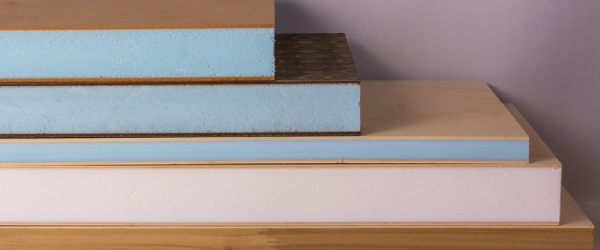
Lightweight panels typically use a sandwich construction. A lightweight core is placed between two face materials to create a panel that balances strength with reduced weight.
The exact materials can vary depending on the application.
Selecting Materials
True to their name, sandwich panels consist of a core material sandwiched between two sides of face material.
Common face materials:
- High-Density Fiberboard
- Medium Density Fiberboard
- Plywood
- Hardboard
- Cardboard
- Metal
- Polycarbonate Plastic
- High Performance
- Carbon Fiber
- Fiberglass
The right face material depends on the project’s performance, finishing, and fabrication requirements.
Common core materials:
- Foam
- Honeycomb-shaped cardboard or polymers
- Wood
Different combinations of faces and cores allow lightweight panels to meet a range of design and fabrication needs.
Finishing Your Lightweight Wood Panels
Once your materials are selected, you can venture into finishing. Many panels are built to be decorative, making the finishing process key to getting the most eye-popping or aesthetically pleasing designs.
Common finishes:
- Laminates
- Veneers
- Paint
- Stain
- Metals
- Leathers
Internal Banding, Edgebanding, and Framing
The following methods are all different ways to make the already very versatile lightweight wood panels even more adaptable.
Framing
The framing refers to additional material or support around the outside of the panel. It is used to attach the panel to other materials or structures.
Internal banding
Internal banding refers to reinforcing the panel on the inside, to increase stability and strength.
Edgebanding
Edgebanding covers the edges of your panels, giving them a seamless appearance from the faces to the sides. It also improves the durability of your panels by protecting the exposed core from the elements.
Where Should You Use Lightweight Panels?
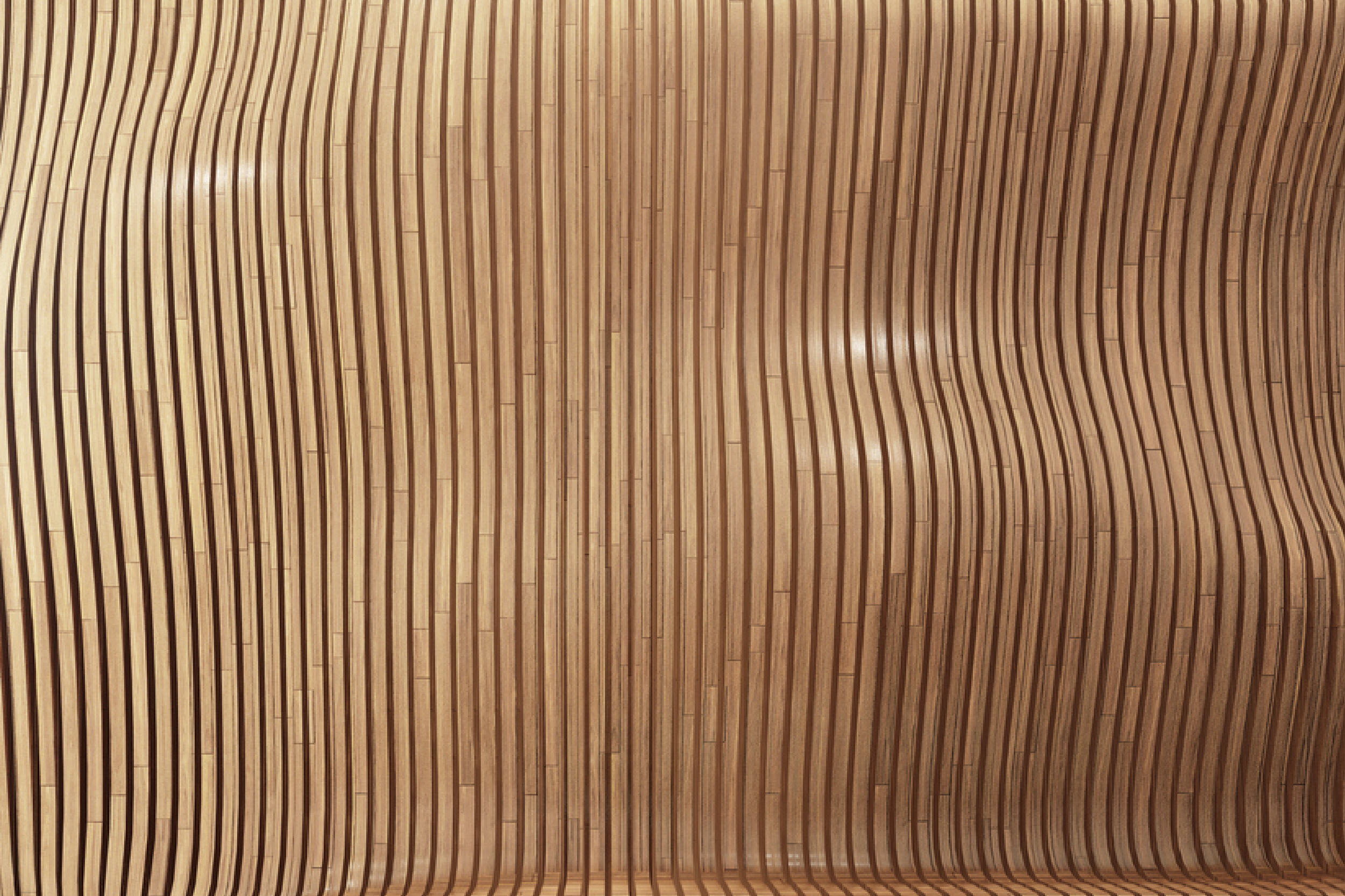
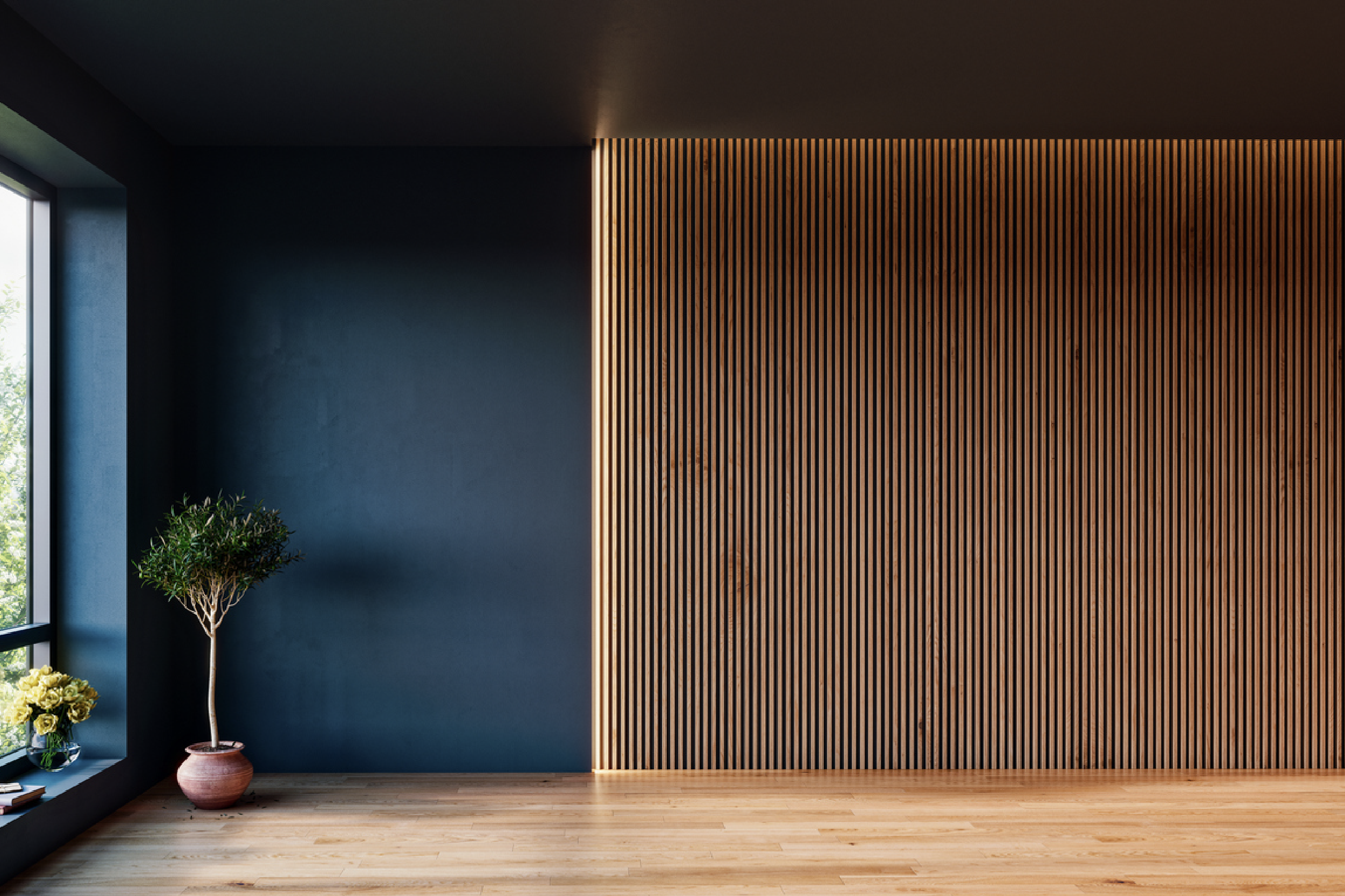
One of the most popular ways to leverage the aesthetics and accessibility of a lightweight composite panel is in interior design. Instead of plain, flat walls (ick!) these panels can deliver a pop of interest and complement a modern or classic interior design, with wood paneling or fluted designs.
Thanks to their light weight, composite panels also make it easy to transform the ceiling of an interior space. Maybe you used a painted finish for a room’s walls and now want to add contrast with a wood finish ceiling. Or you can use the paneling to match the ceiling and walls to create a cohesive design throughout the entire space.
Lightweight panels reduce the overall weight while still supporting a wide range of decorative finishes.
They’re especially useful for:
- Large feature walls
- Decorative wall cladding
- Wood-paneled walls
- Dimensional wall features
- Branded environments
- Large-format architectural installations
Because they’re easier to lift and position, lightweight panels can also simplify installation.
Get inspired by projects using Kerfkore products below:

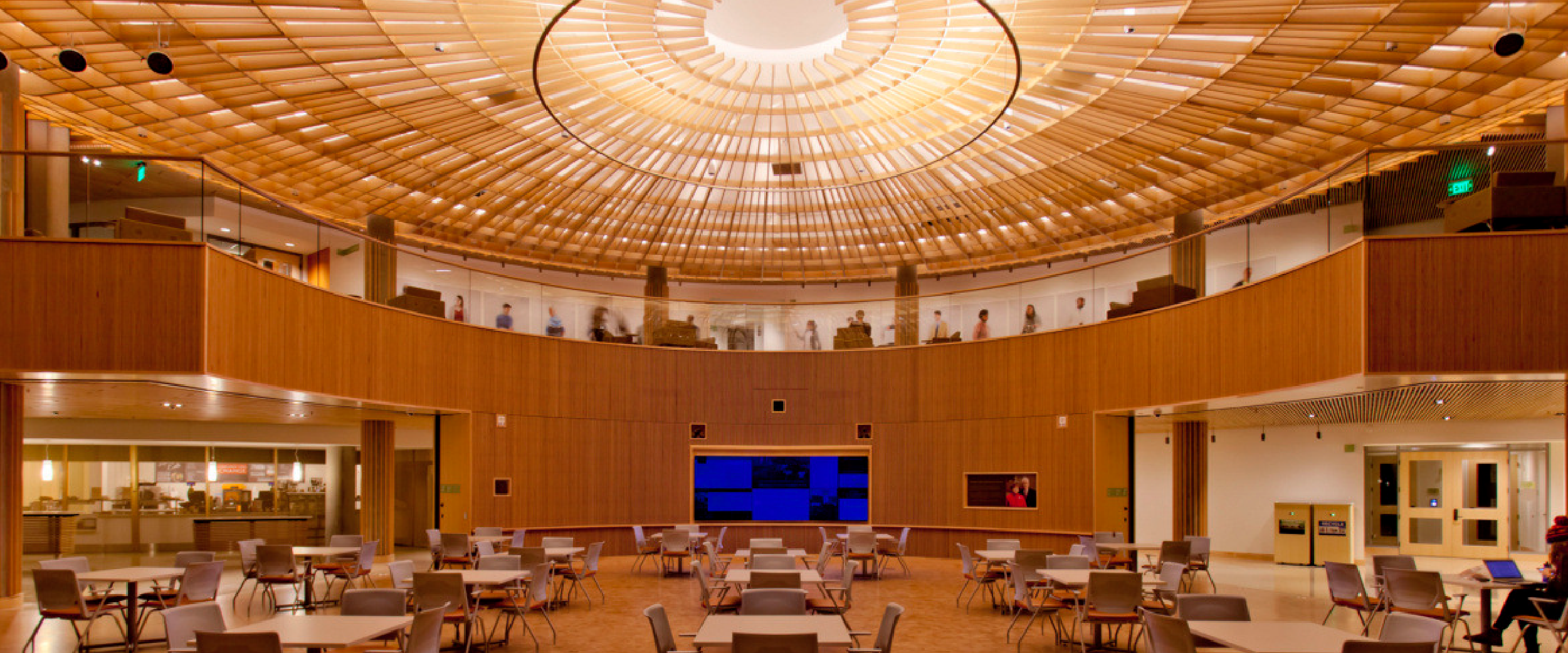
Oversized, Yet Still Lightweight
At Kerfkore, we say that lightweight sandwich panels are made for the three Os: overweight, oversized, or overhead. Each situation goes from headache-inducing to creative serenity when leveraging easy-to-use lightweight panels.
Speaking of oversized, we’ve built custom doors with lightweight panels. This can be useful in large spaces such as museums where the door needs to fill a large frame without becoming too heavy.
Lightweight Panels for Feature Walls
Feature walls have become a defining element in commercial interiors, helping brands create memorable spaces while adding texture, dimension, and visual interest. Lightweight panels make these installations significantly easier by reducing the overall weight of large wall assemblies without sacrificing strength or appearance.
Compared to traditional wood or MDF panels, lightweight architectural panels are easier to transport, lift, and install, allowing installers to work more efficiently while reducing labor requirements. Because they place less stress on the supporting wall structure, they’re an ideal solution for oversized feature walls, decorative wall cladding, and custom architectural installations in offices, hospitality spaces, healthcare facilities, and retail environments.
Lightweight Panels for Ceiling Applications
Ceiling installations often present unique challenges due to the weight of traditional materials. Lightweight panels reduce those challenges by minimizing structural loads while making overhead installation faster and safer.
Architects and contractors frequently specify lightweight panels for suspended ceilings, decorative ceiling clouds, acoustic features, and large-format ceiling elements because they’re easier to handle during installation. The reduced weight can also simplify support systems and decrease installation time, making them an excellent choice for commercial projects where efficiency and safety are priorities.
Transform Transportation with Lightweight Panels
Lightweight composite panels can be used in RVs, vans, and any other vehicle that needs interior modification without adding too much weight. Over recent years, there’s been a surge in popularity in traveling and living out of a van. As DIYers and commercial conversion companies add interior structures like cabinets, these panels are popular due to their ease of use.
Furnish Furniture
Lightweight panels are ideal for crafting custom furniture pieces that are both stylish and functional. For example, designers can use them to create light yet sturdy tabletops, shelves, and cabinets. These panels allow for beautiful designs and can be easily customized to meet specific aesthetic and functional requirements. They also facilitate the creation of movable furniture pieces, making them popular choices for modern, adaptable spaces.
Why Lightweight Panels Matter Beyond Weight
The biggest advantage of lightweight panels isn’t simply that they’re easier to lift. Their reduced weight creates measurable benefits throughout every phase of a project—from manufacturing and shipping to installation and long-term building performance.
Reduced Installation Costs
Labor is one of the largest expenses on any commercial construction project. Because lightweight panels are easier to move, position, and secure, installation crews can often complete projects more efficiently with fewer workers and less specialized lifting equipment. Faster installation also helps keep projects on schedule and minimizes disruptions for occupied buildings.
Lower Shipping and Transportation Costs
Moving large architectural panels can be expensive. Lightweight panels reduce shipping weight, making transportation more efficient and lowering freight costs compared to heavier materials. Easier loading and unloading also reduce the risk of product damage during delivery.
Easier Fabrication
Fabricators benefit from materials that are easier to cut, route, machine, and finish. Lightweight panels improve handling throughout CNC routing, edge finishing, laminating, veneering, and assembly, helping manufacturers maintain precision while improving production efficiency.
Greater Design Flexibility
Perhaps the greatest advantage of lightweight panels is the creative freedom they provide. Designers can confidently specify larger panels, custom architectural features, suspended ceiling elements, and complex installations without being limited by excessive material weight. When paired with Kerfkore’s flexible panel technology, architects gain even more opportunities to create curved, sculptural, and highly customized environments.
Lightweight Panels for the Three Os: Overweight, Oversized, and Overhead
When a design starts becoming overweight, oversized, or overhead, material weight can quickly turn into a fabrication and installation challenge.
That’s where lightweight panels can make a significant difference.
Kerfkore’s Worklite panels reduce material weight by up to 80% by combining a lightweight core with thin, high-density faces. The result is a strong, lightweight panel designed for architectural and fabrication applications.
Whether you’re creating an oversized door, suspended ceiling feature, custom wall panel, or large piece of millwork, choosing a lighter substrate can make an ambitious design easier to fabricate, transport, and install.
Contact us today for more information or help with working with our architectural panels or check out our Worklite Buyer’s Guide.