A Fabricator’s Guide to Working With Flexible Panels in 6 Easy Steps
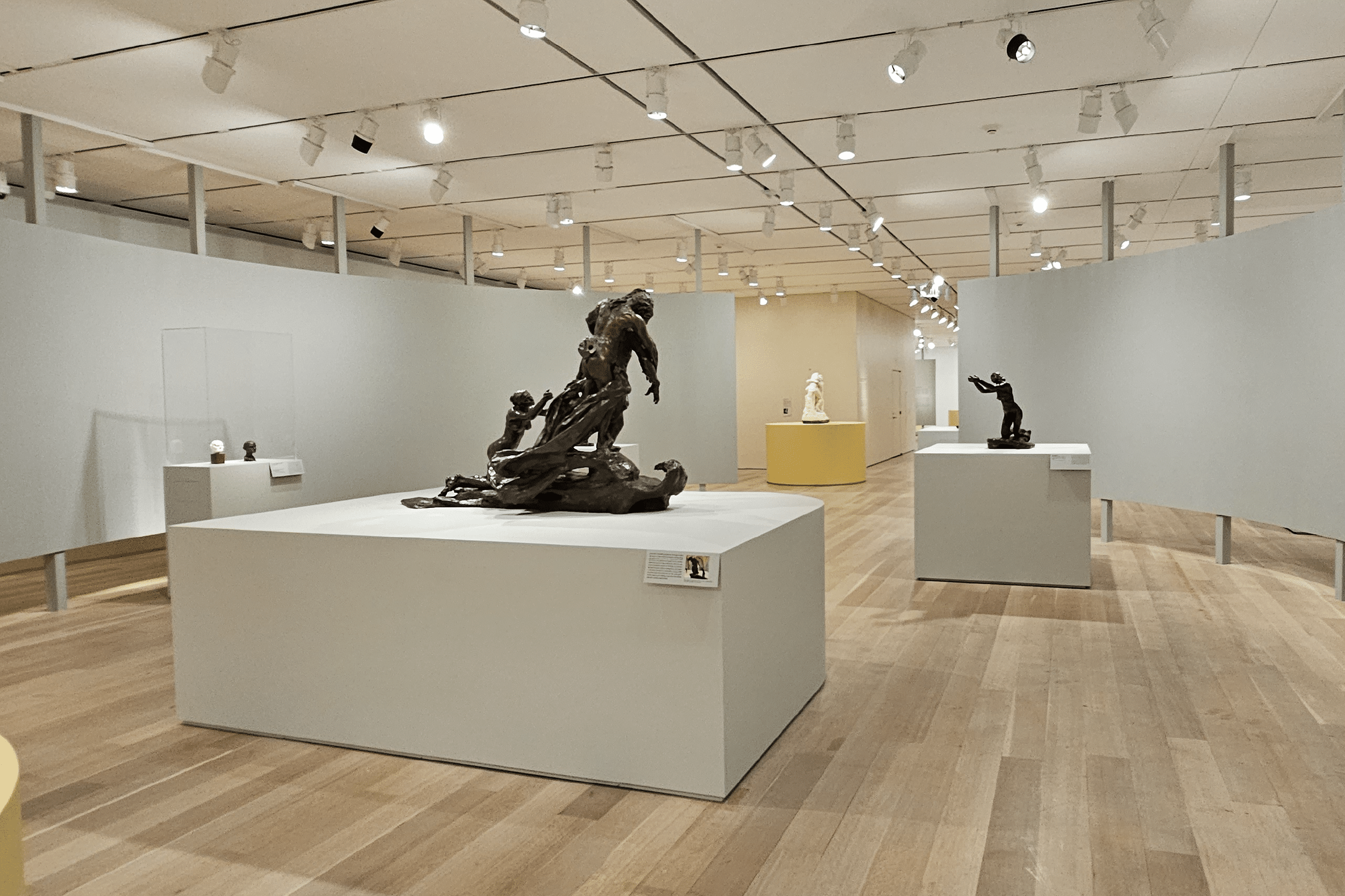
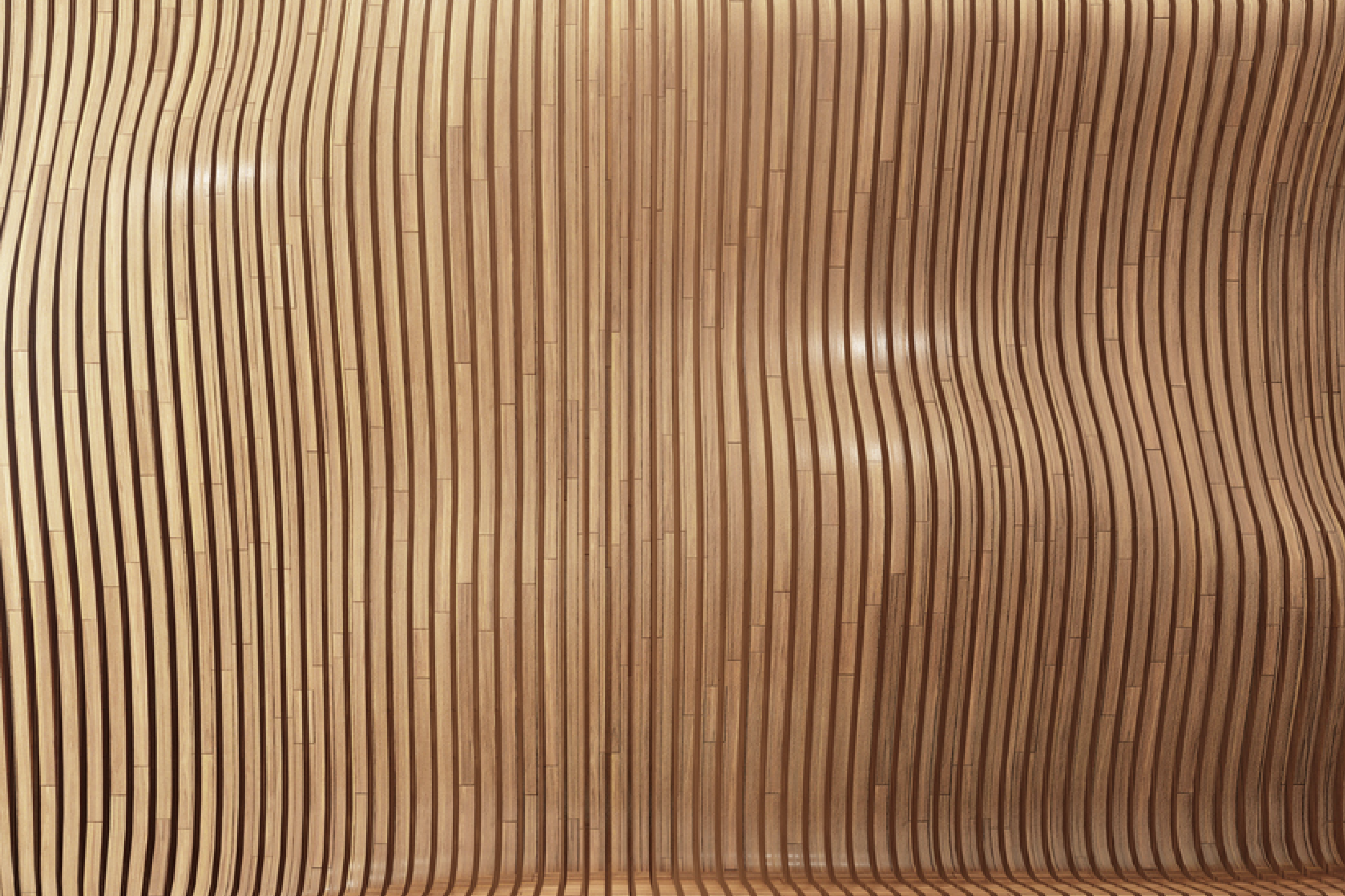
November 16, 2026Curved walls, rounded reception desks, and custom architectural millwork can transform an ordinary space into something memorable. But for fabricators, bringing those designs to life isn’t always straightforward.
Traditional methods for creating curves often involve additional cutting, layering, sanding, and finishing. And when you’re working with tight radii or complex shapes, even small inconsistencies can lead to wasted materials, extra labor, and project delays.
That’s where flexible architectural panels come in.
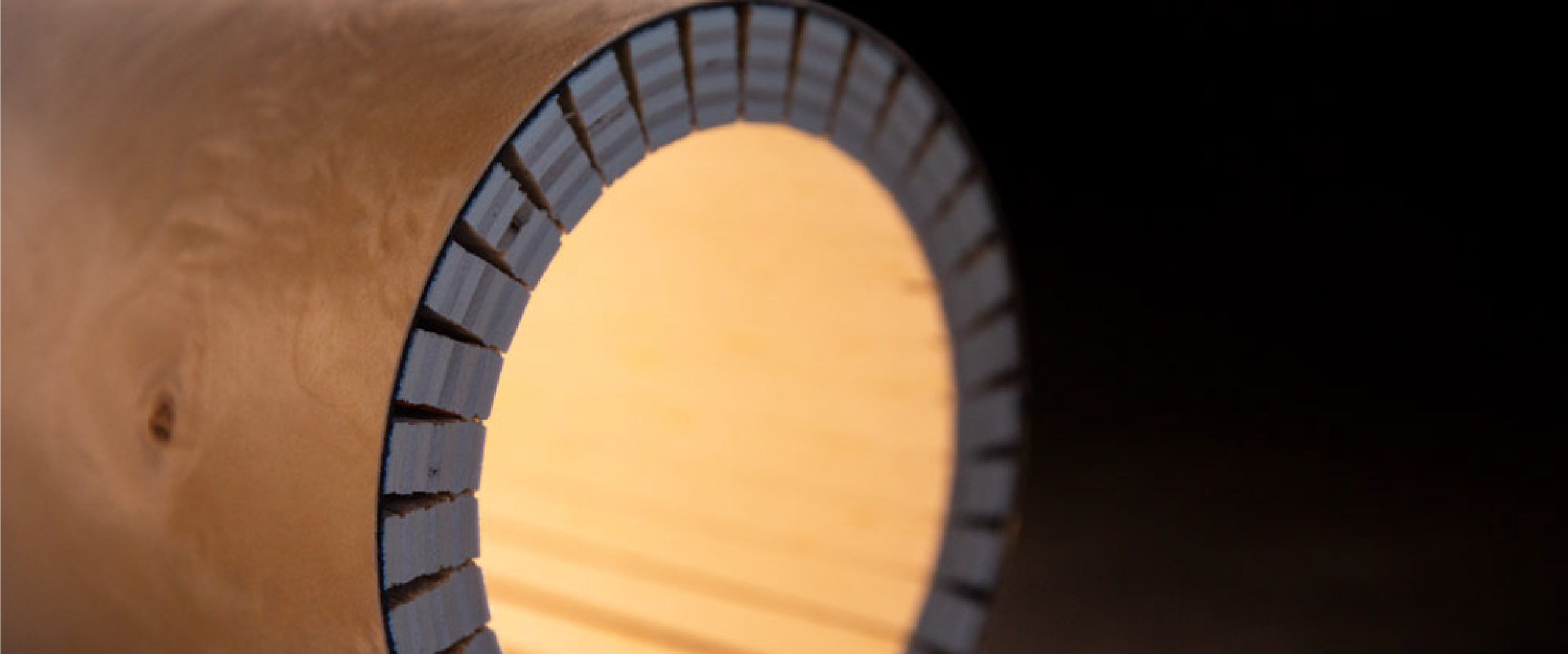
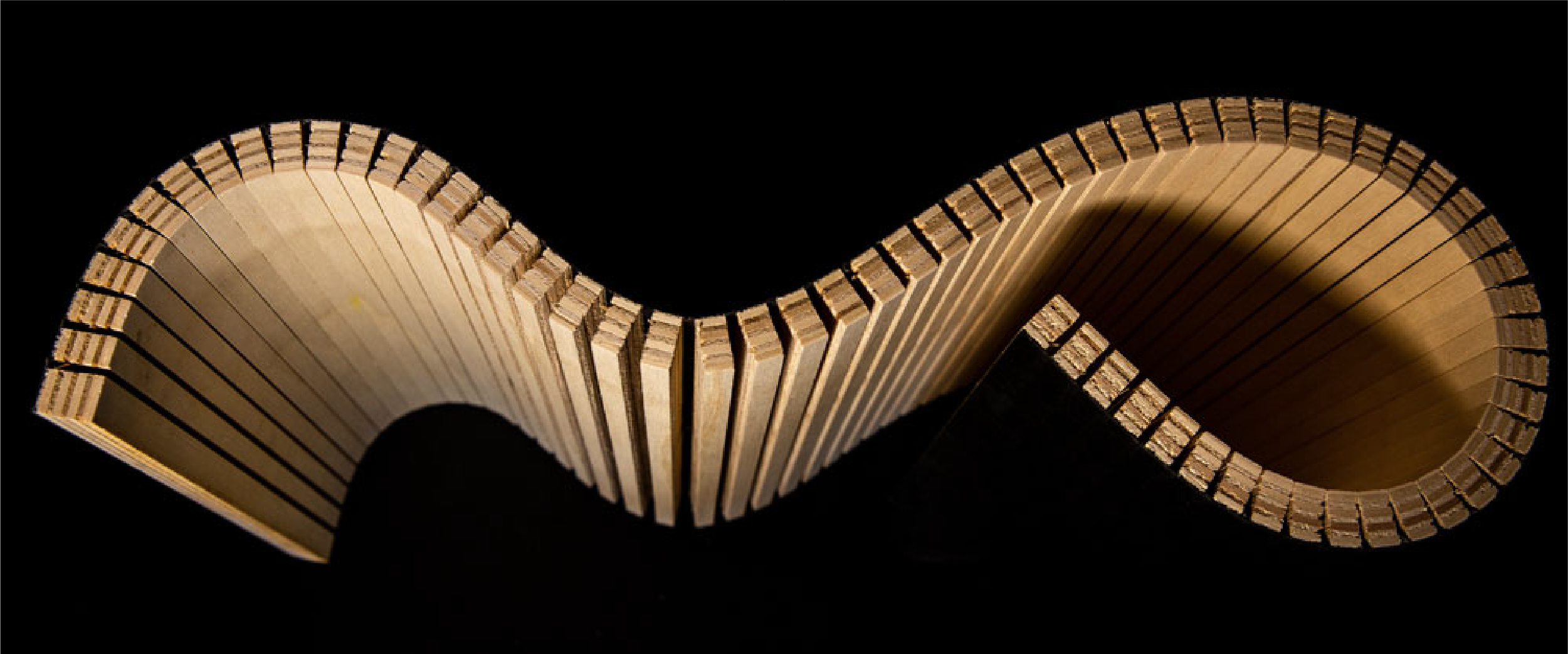
Flexible panels are engineered to bend and conform to curved surfaces, helping fabricators create consistent results without the extensive preparation associated with traditional materials.
But not all flexible panels are created equal. Choosing the right product, understanding its fabrication requirements, and planning the installation are essential to getting the best results.
Whether you’re new to flexible panels or looking to improve your process, this guide covers what to consider before starting, how to work with flexible panels, and which Kerfkore products are best suited for different applications.
What to Consider When Choosing Flexible Panels
The right flexible panel can simplify fabrication, but selecting the wrong material can create unnecessary challenges. Before starting your next curved millwork project, consider these important factors.
1. Bend Radius and Curve Complexity
Start with the shape you’re trying to achieve.
Is it a gradual curve along a wall? A tight radius around a column? Or a more complex design featuring multiple curves or an S-shape?
Different flexible panels have different bending capabilities. Some are better suited for gentle curves, while others can accommodate tighter radii and more complex shapes.
Understanding the minimum bend radius of your material is especially important. Attempting to bend a panel beyond its recommended limitations can cause damage, surface imperfections, or installation problems.
Fabricator Tip: Confirm the required radius and bend direction before selecting your panel. For complex shapes, consider creating a small mockup to test the material before beginning full production.
2. Panel Thickness and Structural Requirements
Panel thickness affects more than the finished dimensions of your project. It can also influence the material’s flexibility, stability, and installation requirements.
For example, a curved wall application may have different thickness and support requirements than a custom cabinet or reception desk.
Consider the overall dimensions, framework, and intended use of the finished piece. Choose a panel that provides the flexibility you need while meeting the project’s structural and fabrication requirements.
3. Surface Finish and Lamination Requirements
What will the finished surface look like?
Flexible architectural panels can accommodate a variety of decorative materials, including high-pressure laminates (HPL), wood veneers, metals, and other compatible semi-rigid finishes.
However, the type of finish can influence your fabrication process.
Some flexible panels allow you to apply decorative surfaces while the panel is flat and then bend it into shape. Others require you to form the panel first and apply the finish afterward.
Knowing the correct sequence before fabrication begins can save time and help prevent adhesion issues or surface imperfections.
4. Panel Size and Bend Direction
Consider the dimensions of your finished application and how the panel will need to bend.
For example, wrapping a column will require a different panel orientation than creating a curved horizontal feature.
Panel dimensions also influence where seams will fall and whether multiple sheets need to be joined.
Planning these details early can reduce material waste and help you achieve a more consistent finished appearance.
5. Total Fabrication Time and Cost
Material price is only one part of the equation.
A lower-cost material may require additional cutting, multiple layers, more framework, or extensive surface preparation. Those extra steps can quickly increase labor costs.
When comparing flexible panels, consider the total fabrication process, including material preparation, lamination, installation, and finishing.
A purpose-built flexible panel may cost more upfront than traditional bending plywood but can help reduce labor and improve overall project efficiency.
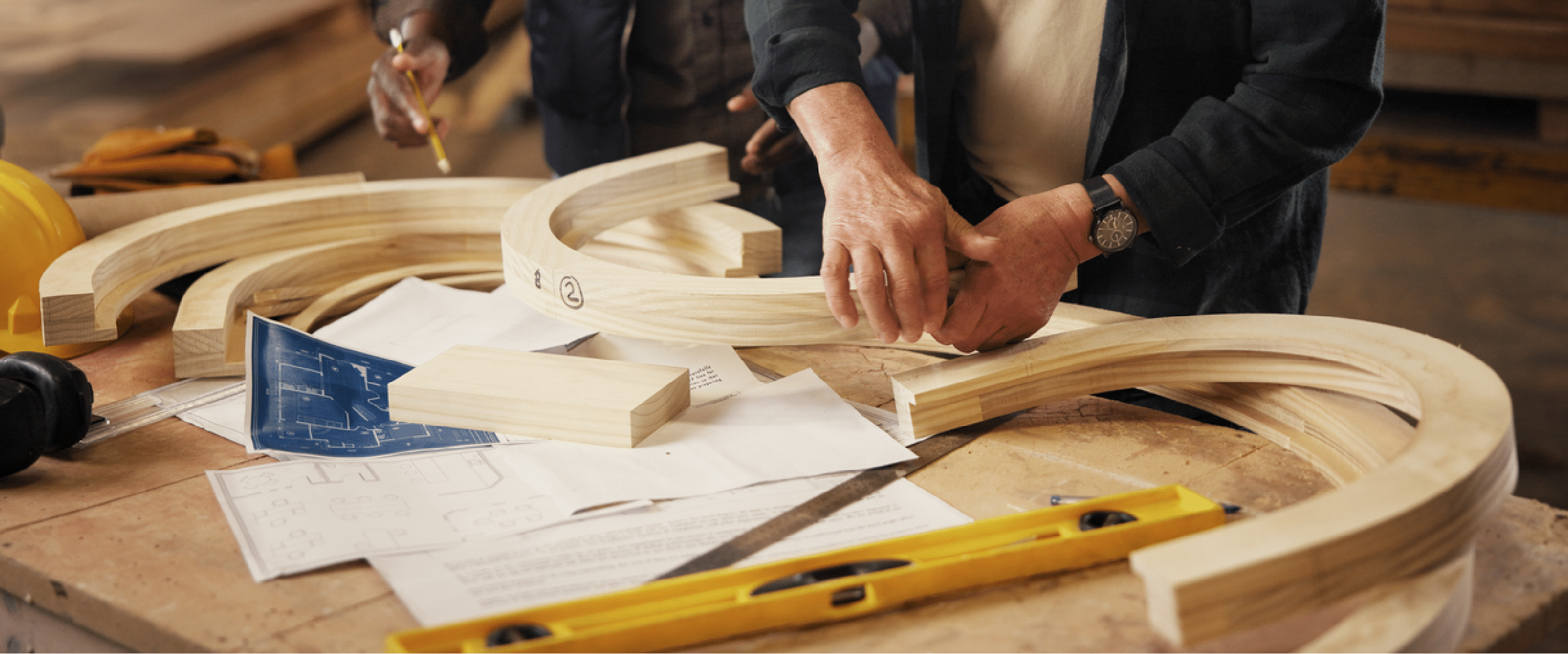
How to Work With Flexible Architectural Panels: Step by Step
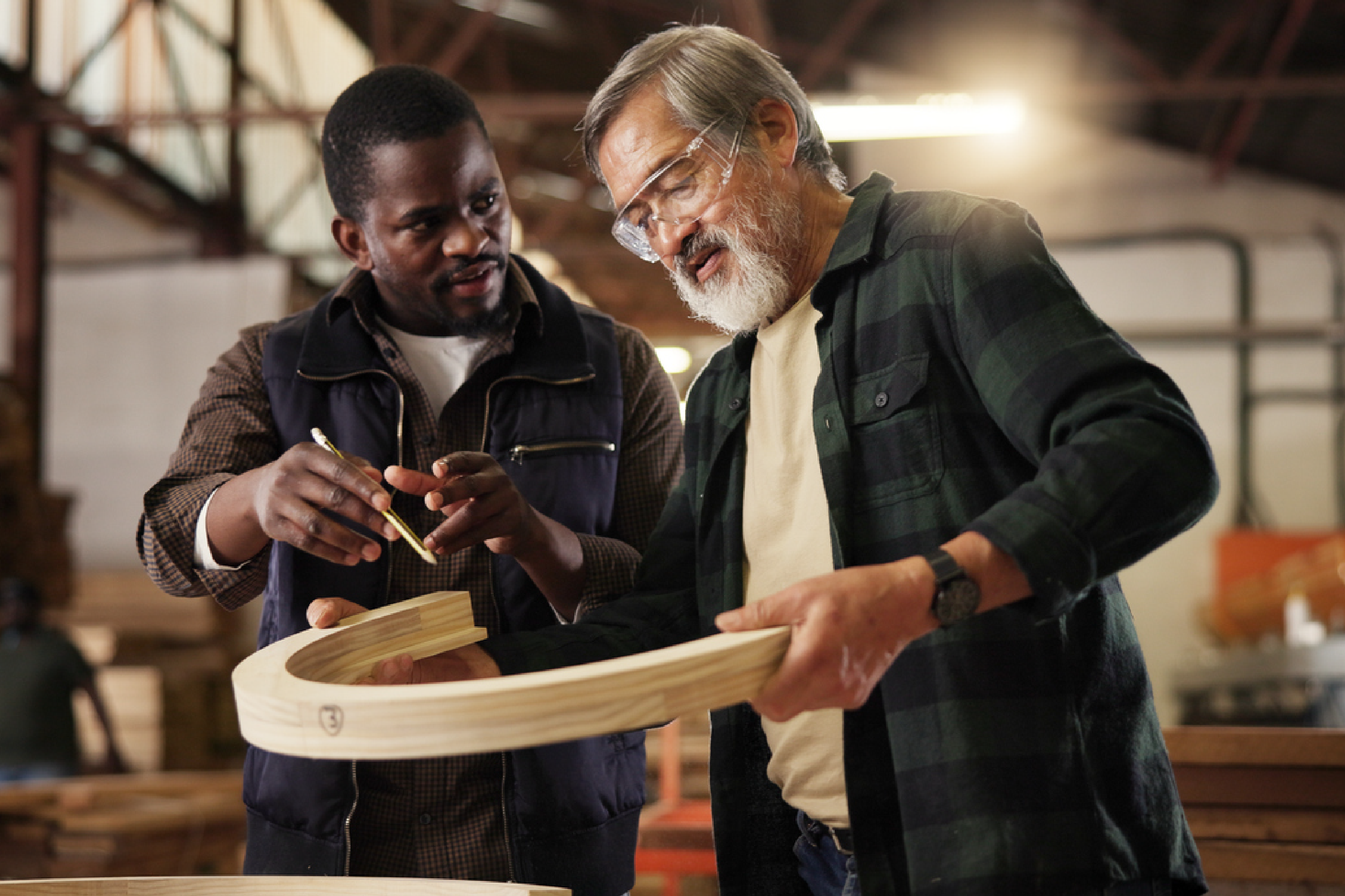
Once you’ve selected the right material, the next step is planning and executing the fabrication process.
While specific instructions vary by product, the following steps provide a general approach to working with flexible architectural panels.
Step 1: Review the Design and Confirm Specifications
Before cutting any material, review the architectural drawings and identify the critical details.
Confirm the following:
- Bend radius
- Overall dimensions
- Panel thickness
- Decorative finish
- Installation requirements.
If you’re working with an architect or designer, clarify any details that could affect fabrication, especially complex curves, seam locations, and finish transitions.
Addressing these questions early helps prevent costly changes later.
Step 2: Select and Prepare Your Flexible Panels
Choose a panel that meets the project’s bending, thickness, and finishing requirements.
Review the manufacturer’s technical documentation to confirm the appropriate fabrication method.
Once you’ve selected the material, measure and cut the panels to the required dimensions, accounting for any necessary trimming, seams, or connections.
It’s also important to confirm the bend direction before cutting. Flexible panels are designed to bend in specific orientations, and the last thing anyone wants is realizing the wrong bending direction was ordered.
Step 3: Determine the Correct Lamination Sequence
One of the most important differences between flexible panel products is when the decorative surface should be applied.
Depending on the product, you may need to:
- Laminate first, then bend: Apply the decorative surface while the panel is flat, allow the adhesive to cure, and then form the panel into the desired curve.
- Bend first, then laminate: Attach the flexible substrate to the curved framework before applying the decorative finish.
For example, Kerfkore Soflex allows fabricators to laminate the panel while flat before forming it. This can make it easier to maintain consistent pressure and alignment during lamination.
Other Kerfkore products, including Timberflex and Econokore, are designed to receive decorative surfaces after forming.
Always follow the specific product instructions and adhesive manufacturer’s recommendations.
Step 4: Prepare the Framework and Form the Curve
If framing is required, confirm that the framework follows the required radius and provides appropriate support.
Cut and position the flexible panel according to the project’s specifications, then secure it using the manufacturer’s recommended attachment method.
Depending on the product and application, this may involve adhesives, clamps, staples, or a combination of methods.
Avoid forcing the material beyond its recommended bend radius. Even flexible panels have limitations, and excessive bending can compromise the finished result.
Step 5: Plan and Complete Panel Seams
Larger projects may require multiple panels to create a continuous curved surface.
To achieve a consistent appearance, plan seam locations before installation and make sure adjoining panels are properly aligned.
Check that the materials have consistent thicknesses and follow the same curve.
Kerfkore products are manufactured with consistency in mind, helping fabricators create more uniform transitions between panels.
For oversized or unusual applications, Soflex also offers an Easy-Splice capability that allows material to be joined in length or width.
Step 6: Inspect and Finish the Application
Before considering the project complete, inspect the finished surface for irregularities.
Check for visible seams, uneven transitions, adhesive issues, or areas where the panel doesn’t follow the intended curve.
Make any necessary adjustments according to the product’s finishing recommendations.
A final inspection helps ensure the finished application meets both the design intent and the quality standards expected of professional architectural millwork.
Which Kerfkore Flexible Panel Is Best for Your Project?
Different projects call for different materials. Kerfkore offers four flexible architectural panel solutions designed to accommodate a range of bending, finishing, and fabrication requirements.
Here’s how to determine which product may be the best fit.
Soflex: Best for Tight Radii and Complex Curves
Kerfkore Soflex is designed for applications that require tight bends, complex shapes, and consistent results.
With a minimum bending radius of approximately 3.5 inches under specified conditions, Soflex is particularly useful for challenging curved architectural features.
One of its biggest advantages is the ability to laminate the panel while flat before forming it into the desired shape. This can simplify the lamination process and help fabricators maintain a consistent decorative finish.
Soflex also features Easy-Splice capabilities for joining panels in larger applications.
Best applications include:
- Tight-radius columns and curved enclosures
- S-shaped walls and complex architectural features
- Custom reception desks and counters
- Curved cabinetry and specialty millwork
- Oversized projects requiring panel splicing
Why choose Soflex? Its combination of tight-radius flexibility, flat lamination, and splicing capabilities makes it a strong option for demanding curved designs.
Timberflex: Best for Durable Curved Millwork and Decorative Finishes
Kerfkore Timberflex combines Kerfkore’s engineered flexible core with a 1/8-inch Italian poplar plywood face.
This construction provides a stable, consistent surface for decorative materials such as veneers, high-pressure laminates, and other compatible finishes.
Timberflex can achieve a minimum bending radius of approximately 5 inches under specified conditions. The decorative surface is applied after the panel has been formed into the desired shape.
Its consistent thickness and smooth face help reduce the need for extensive surface preparation.
Best applications include:
- Curved architectural walls and partitions
- Decorative columns
- Custom millwork and cabinetry
- Reception desks and commercial fixtures
- Projects that want to skip veneers and use paint or stain.
Why choose Timberflex? Its engineered construction and plywood face make it a versatile choice for curved millwork where dimensional consistency and decorative finish compatibility are priorities.
Flexboard: Best for Versatile Curved Applications and Paintable Surfaces
Kerfkore Flexboard features an engineered flexible core with a hardboard face, providing a smooth, stable surface for curved applications.
Flexboard offers flexibility in fabrication methods. It can achieve a minimum radius of approximately 8 inches when formed before lamination, or approximately 16 inches when laminated flat before bending, depending on the materials and process.
Its non-oil-based hardboard face is also suitable for painting, making it a practical option for projects requiring a painted finish.
Best applications include:
- Curved walls and partitions
- Painted architectural features
- Custom cabinetry and fixtures
- Decorative columns
- Projects requiring flexibility in lamination methods
Why choose Flexboard? Its smooth hardboard face and fabrication versatility make it a useful option for curved projects involving paint, veneers, or laminates.
Econokore: Best for Cost-Conscious Curved Millwork
Kerfkore Econokore provides an economical solution for fabricators who need consistent curved surfaces without unnecessary fabrication complexity.
Its construction combines an engineered core with a high-density fiberboard face, creating a stable substrate for decorative finishes.
Econokore can achieve a minimum bending radius of approximately 12 inches under specified conditions, making it suitable for many moderate-radius applications.
Decorative materials are applied after the panel has been formed into shape.
Best applications include:
- Moderate-radius curved walls
- Commercial fixtures and displays
- Decorative architectural features
- Curved cabinetry and millwork
- Budget-conscious projects that don’t require extremely tight bends
Why choose Econokore? It provides a cost-conscious option for fabricators who want the consistency and convenience of an engineered flexible panel for suitable curved applications.
Kerfkore Flexible Panel Comparison
| Panel | Minimum bend radius* | Lamination method | Best suited for |
| Soflex | 3.5″ | Either flat or formed | Tight radii and complex curves |
| Timberflex | 5″ | Bend, then laminate | Curved millwork with a plywood face |
| Flexboard | 8″ formed first; 16″ laminated flat | Either, but depends on desired bend | Paintable surfaces and versatile fabrication |
| Econokore | 12″ | Bend, then laminate | Cost-conscious, moderate-radius applications |
Published radius capabilities depend on the specific panel configuration, finish, and fabrication conditions. Always verify current technical specifications before selecting a product.
Find the Right Flexible Panel with Kerfkore’s Panel Selection Tool
Not sure which flexible panel is right for your project? Kerfkore makes the selection process easier with its Flexible Panel Selection Tool. Instead of sorting through product specs, this tool helps you narrow down your options based on your project needs. It’s a helpful starting point for finding the right material. Spend less time comparing panels and more time bringing your design to life.
Why Choose Kerfkore Instead of CNC Kerfing, Hand-Kerfing, or Bending Luan?
Traditional methods like CNC kerfing, hand-kerfing, and bending luan plywood can produce curved surfaces, but they often involve additional time, labor, and material preparation.
Hand-kerfing requires careful cutting and consistent spacing to achieve a smooth bend. CNC kerfing can improve cutting precision but still requires machine time, programming, and material processing. Both methods can also create surface imperfections if the kerfs telegraph through the finished material.
Bending luan plywood presents its own challenges, including inconsistent thickness, variable bending performance, and the potential need for multiple layers or additional surface preparation.
Kerfkore flexible panels eliminate the need to cut your own kerfs and provide engineered, dimensionally consistent substrates designed for curved fabrication. That can mean fewer production steps, less sanding and patching, and more predictable results.
For fabricators, the advantage isn’t just creating a curve. It’s creating that curve more efficiently, with fewer complications and greater confidence in the finished product.
Common Mistakes to Avoid When Working With Flexible Panels
Even with the right materials, a few common mistakes can affect the quality and efficiency of a curved millwork project.
Choosing a Panel Without Checking the Bend Radius
Not every flexible panel can achieve the same curve. Selecting a product based on price or availability without confirming its bending capabilities can lead to material damage or unnecessary rework.
Always match the panel’s specifications to the required radius.
Using the Wrong Lamination Method
Some panels should be laminated before bending, while others must be formed first.
Using the wrong sequence can create adhesion issues, surface imperfections, or additional fabrication challenges.
Review the manufacturer’s instructions before applying decorative materials.
Failing to Plan Seams
Seams are much easier to manage when they’re considered early.
Waiting until installation to determine where panels will meet can create visible transitions and unnecessary finishing work.
Skipping Material Testing
If you’re working with an unfamiliar finish, adhesive, or bend radius, test the combination before beginning full production.
A small mockup can help identify potential issues before they affect the entire project.
Additional Tips for More Efficient Curved Millwork Fabrication
Beyond choosing the right panel and following the proper fabrication steps, a few additional practices can help improve project efficiency.
Collaborate early with architects and designers. Confirm that the proposed design can be fabricated using the selected materials. Early conversations about radii, finishes, and panel dimensions can prevent last-minute changes.
Think about the finished surface first. Rather than choosing a substrate and figuring out the finish later, consider the decorative material at the beginning of the project. This helps determine the right panel and lamination process.
Use technical resources. Manufacturer specifications, fabrication guides, and instructional videos can help answer questions about panel preparation, attachment, and finishing.
Consider the entire production process. Evaluate material costs alongside labor, equipment usage, preparation, and installation time. A more efficient substrate can create savings throughout the project.
Request samples before committing. Testing a panel with your intended finish and fabrication method is one of the best ways to confirm it will meet your needs.
Build Better Curves With Kerfkore Flexible Panels
Curved architectural designs shouldn’t require fabricators to spend unnecessary time cutting kerfs, layering plywood, or correcting surface imperfections.
With the right flexible panel, you can simplify the fabrication process while achieving the smooth, consistent curves your project requires.
Whether you’re creating a tight-radius column, a curved reception desk, custom cabinetry, or a large architectural feature, Kerfkore offers flexible panel solutions designed to make the job easier.
From Soflex’s tight-radius capabilities to Timberflex’s plywood-faced construction, Flexboard’s versatile finishing options, and Econokore’s economical design, there’s a solution for a wide range of curved millwork applications.
Ready to find the right flexible panel for your next project?
Explore Kerfkore’s flexible architectural panels, compare your options, or request a sample to see how the right material can simplify your next build.