How to Choose the Right Architectural Panel for Your Application
October 7, 2026A great project starts with a great design. A smoother project starts with choosing the right material to build it.
Architectural panels aren’t one-size-fits-all. The right choice depends on what you’re building, the shape you’re trying to achieve, how the finished piece will be fabricated and installed, and what decorative surface you plan to use.
Choose correctly from the beginning, and you can simplify fabrication, reduce unnecessary labor, and get more predictable results from shop to installation.
So, before you start cutting, bending, laminating, or building, here’s what to consider when selecting the right architectural panel for your application.
Start With the Application
Before comparing panel specifications, start with a simple question:
What does the panel need to do?
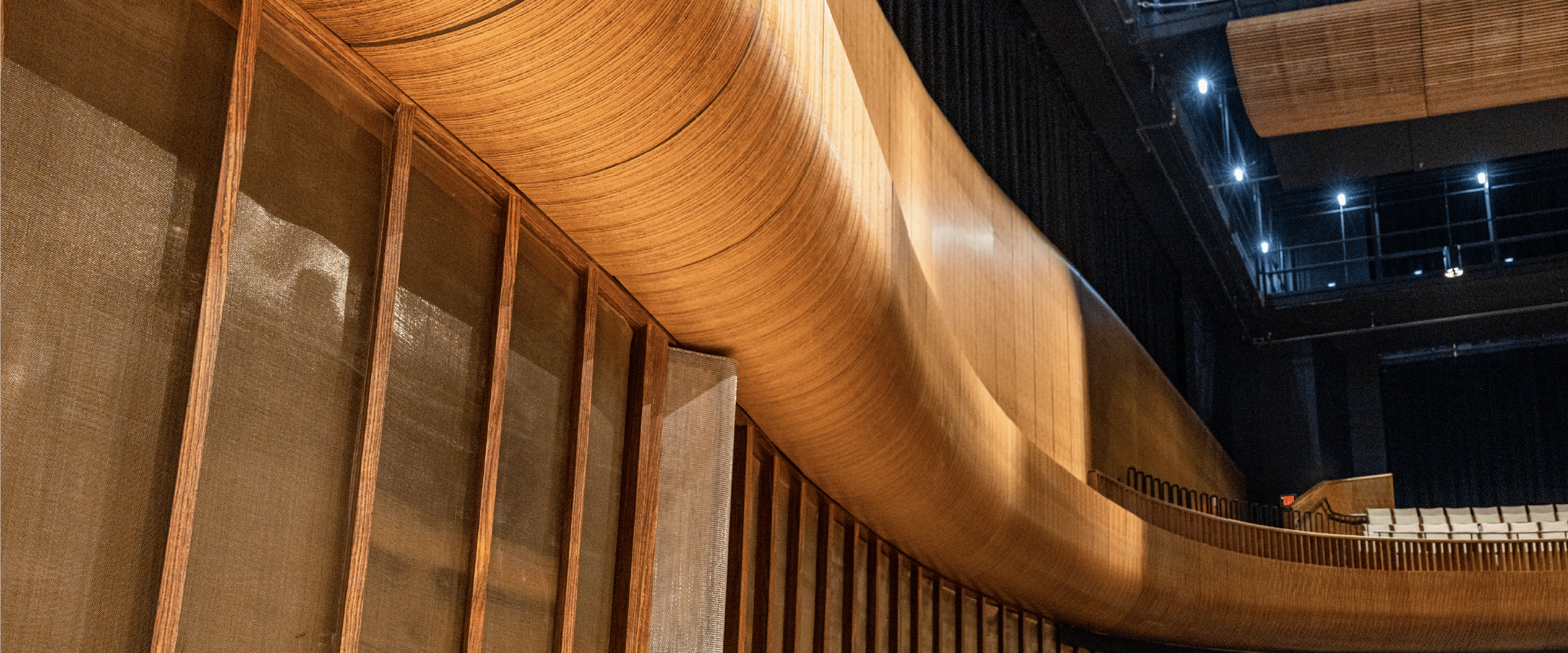
Are you creating a curved reception desk? An oversized retail fixture? A feature wall? An architectural column? A ceiling element?
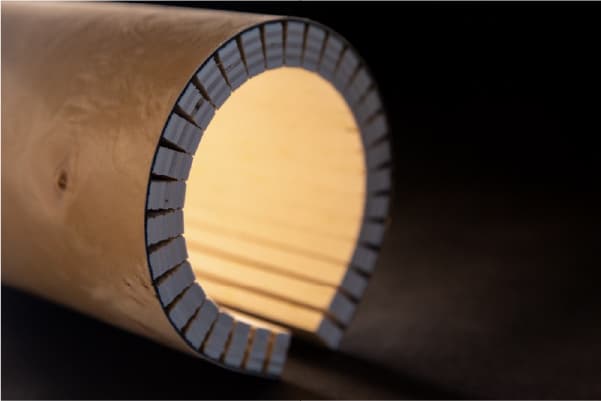
Different applications place different demands on the material. A curved feature requires flexibility and a panel capable of achieving the necessary radius. A large fixture or overhead element may benefit more from reducing overall weight.
Thinking through the finished application first helps narrow the options before fabrication begins.
Choose the Panel Based on How You Need to Build
For millworkers and fabricators, the question isn’t what flexible and lightweight panels do—it’s which panel will make the specific build more efficient and predictable.
The right choice comes down to the details: finished radius, decorative surface, lamination sequence, machining requirements, overall component size, weight targets, and installation conditions.
Dial In the Right Flexible Panel
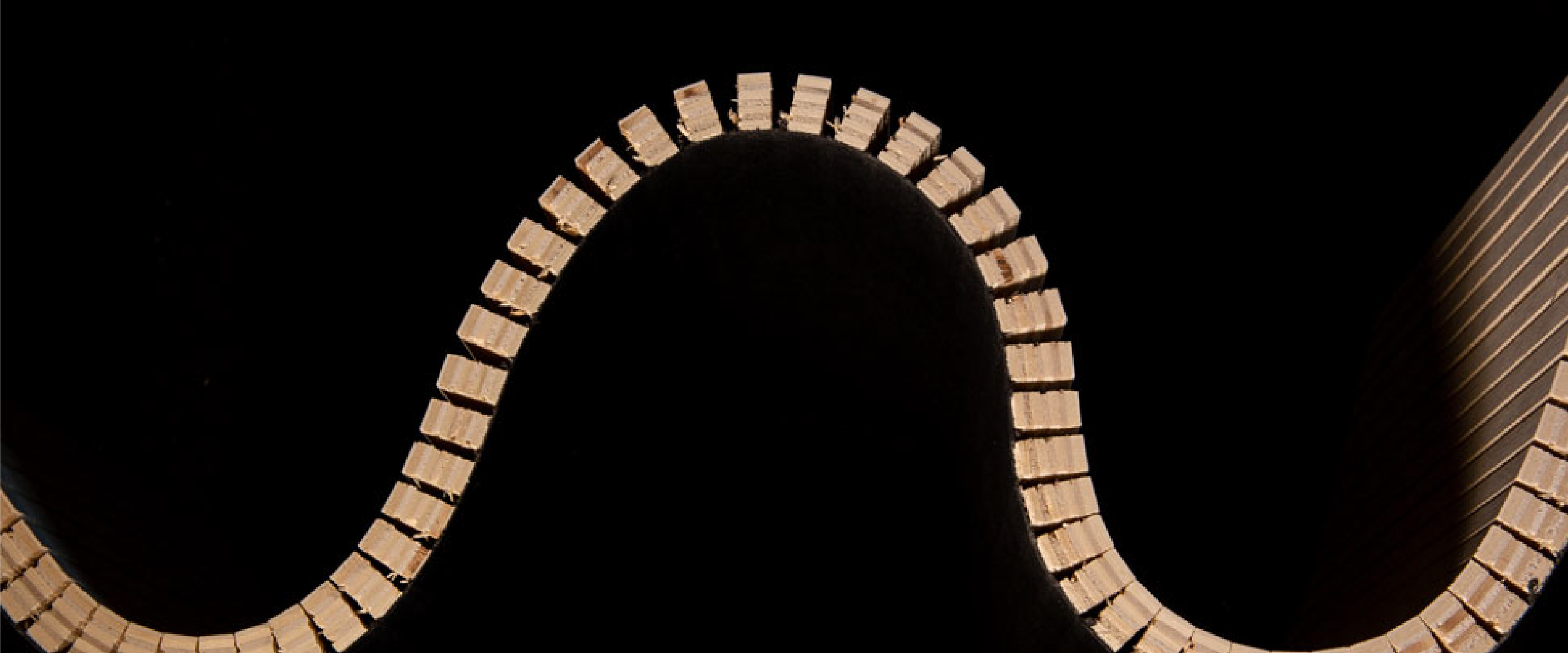
When you’re planning a curved build, start with the finished radius and work backward through the fabrication process.
Kerfkore’s flexible architectural panel lineup includes Soflex, Timberflex, Flexboard, and Econokore. Selecting between them means looking beyond the curve itself and considering how the panel fits into your complete fabrication process.
Before making the call, consider:
- What is the required finished radius?
- What decorative surface will be applied?
- Will the panel be laminated flat or after forming?
- What face material works best with your fabrication process?
- What thickness and sheet size will minimize additional work?
- How will the finished assembly be handled and installed?
Those decisions can have a direct impact on shop time, material use, finish quality, and how smoothly the finished component comes together.
For additional specifications and fabrication considerations, download the Architect’s Guide to Flexible Plywood.
Make Weight Part of the Build Strategy
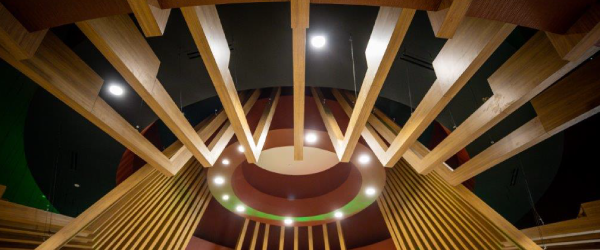
On large-format millwork, casework, fixtures, doors, and architectural components, weight isn’t simply a material specification. It can affect everything from shop handling and hardware requirements to transportation and field installation.
Kerfkore’s lightweight architectural panels give fabricators options for reducing finished component weight without completely rethinking the build.
Worklite EPS Foamkore and Worklite XPS Foamkore are available in multiple thicknesses, face materials, and panel sizes, allowing you to match the substrate more closely to the fabrication and performance requirements of the job.
When evaluating a lightweight panel, think through the entire process:
- What hardware or fasteners are required?
- What finish is being applied?
- How large is the finished component?
- And who’s going to have to move and install it when it leaves the shop?
Reducing panel weight by up to 80% compared with traditional plywood, particleboard, and MDF can make a meaningful difference when you’re fabricating larger components or managing challenging installations.
Explore the Architect’s Guide to Lightweight Panels for additional technical and application guidance.
Ultimately, panel selection should support the way you intend to fabricate—not force you to adapt your process around the material.
Consider the Finish Before You Fabricate
Choosing the right panel is only part of the equation. You also need to think about how you’re going to finish it.
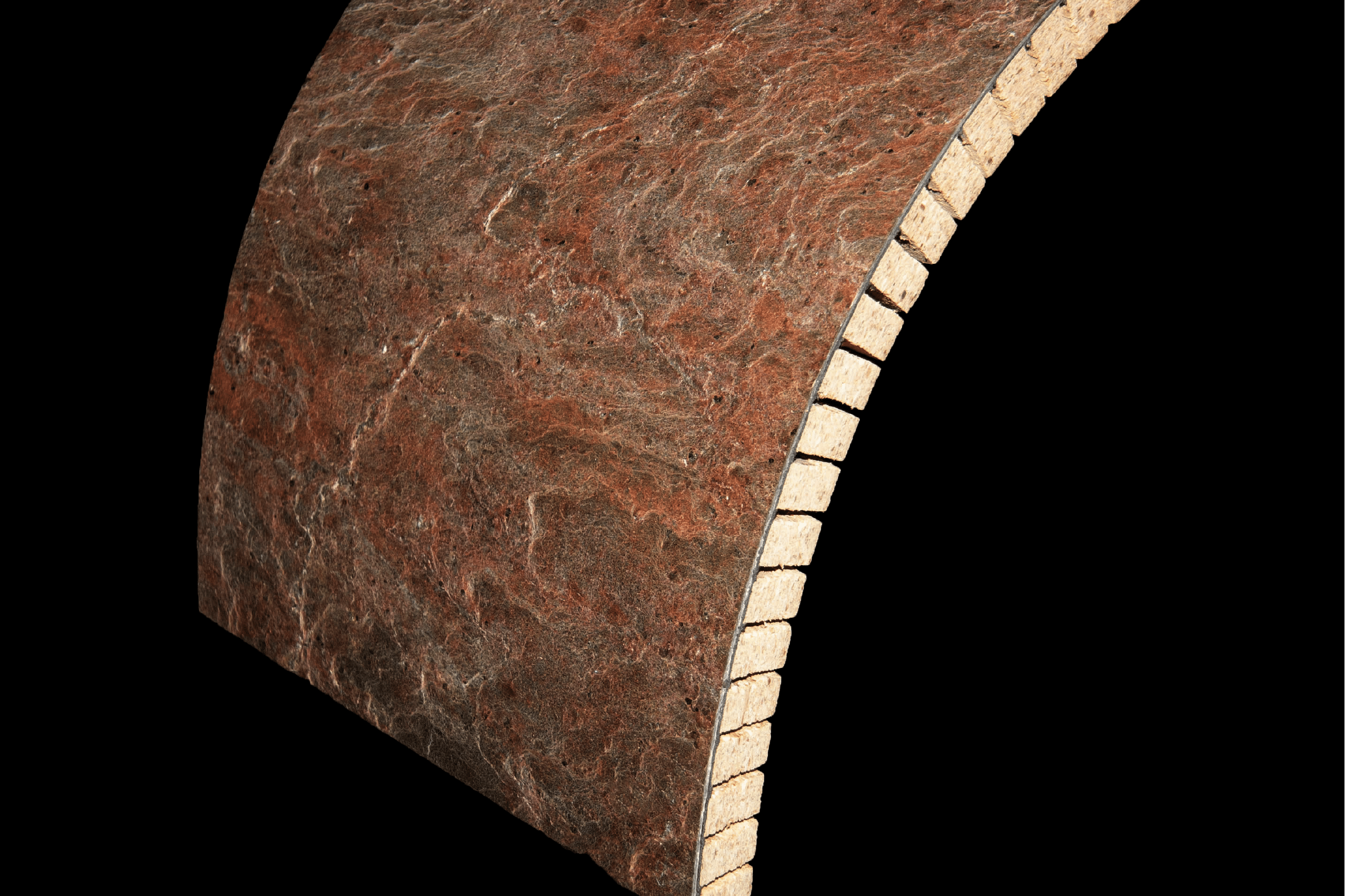
Kerfkore panels can support a wide variety of decorative surfacing materials, including high-pressure laminates, veneers, metals, leathers, and other semirigid finishes. But the panel, finish, adhesive, and fabrication method need to work together.
Ask these questions early:
What decorative surface will be applied?
The flexibility and characteristics of your finish may influence your panel choice and achievable radius.
Will the panel be laminated flat or after forming?
The answer can affect both the panel you select and how tightly the finished assembly can bend.
What adhesive and application method are required?
Following the appropriate fabrication recommendations helps achieve consistent adhesion and a cleaner finished product.
Planning for the finish before fabrication can help eliminate surprises later.
Prepare It Right, Too
The right material can make fabrication easier—but proper preparation and technique still matter.
Kerfkore’s How-To Video Gallery provides step-by-step demonstrations for working with specific products, helping fabricators understand recommended lamination techniques before getting started.
How to Laminate Timberflex
See the recommended process for applying decorative surfacing material to Timberflex and preparing it for a finished application.
How to Laminate Flexboard Flat
For applications where Flexboard will be laminated flat before forming, proper material and process selection are important. See how to approach the lamination process for a clean, consistent result.
How to Laminate Flexboard Formed
When the application calls for Flexboard to be formed before the decorative surface is applied, the fabrication process changes. This demonstration walks through the recommended approach for laminating Flexboard in its formed position.
These resources can be especially helpful before working with a Kerfkore product for the first time—or when your next project calls for a fabrication method you haven’t used before.
For additional product demonstrations and fabrication guidance, explore the Kerfkore Video Gallery.
Take the Guesswork Out of Panel Selection
Still debating which panel belongs on the material list? You don’t have to choose based on guesswork.
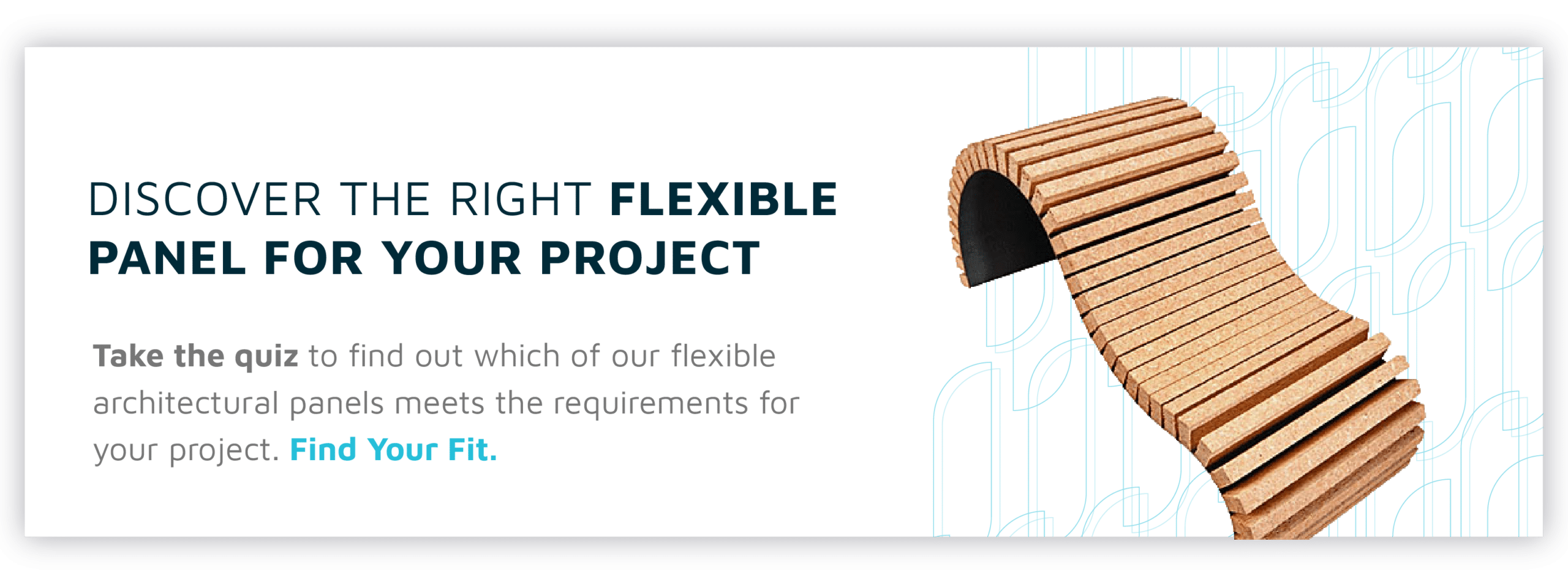
The Kerfkore Panel Selection Tool walks you through a few quick questions about your project and recommends a flexible or lightweight panel based on your application requirements.
It’s an easy place to start when you’re comparing options or planning a new application.
Because the best time to figure out whether you chose the right panel isn’t halfway through fabrication.
It’s before you start.
Choose It Right From the Start
The right architectural material does more than meet a specification. It can make fabrication more efficient, installation easier, and the finished design more predictable.
Start with the application. Consider the shape, weight, finish, radius, and fabrication process. Then select a panel engineered to meet those requirements.
Whether the project calls for a dramatic curve, a lightweight oversized component, or something completely custom, Kerfkore provides the products and resources to help turn the design into reality.
Find the right panel for your project.
Use the Kerfkore Panel Selection Tool to compare your options and choose a panel based on your project’s needs.