Stop Fighting Materials That Don’t Want to Bend
January 22, 2026Bending wood and panel materials has long been one of the most frustrating—and failure-prone—challenges in fabrication. Designers envision smooth curves and flowing forms, but fabricators are often left wrestling with materials that were never meant to bend predictably.
Traditional approaches like bending luan, hand-kerfing, CNC kerfing, or forcing plywood into submission promise flexibility, yet too often collapse under real-world demands. Cracking faces, inconsistent radii, wasted labor, and last-minute failures are common outcomes.
That’s where Kerfkore changes the equation. Instead of improvising flexibility from rigid materials, Kerfkore is purpose-built to bend cleanly, consistently, and reliably—removing the uncertainty that has plagued curved fabrication for decades.
Where Traditional Bending Methods Break Down
Bending Luan
Luan is often chosen because it’s thin and seemingly flexible, but that flexibility comes at a cost.
Common pain points include:
- Inconsistent bending radii and unpredictable spring-back
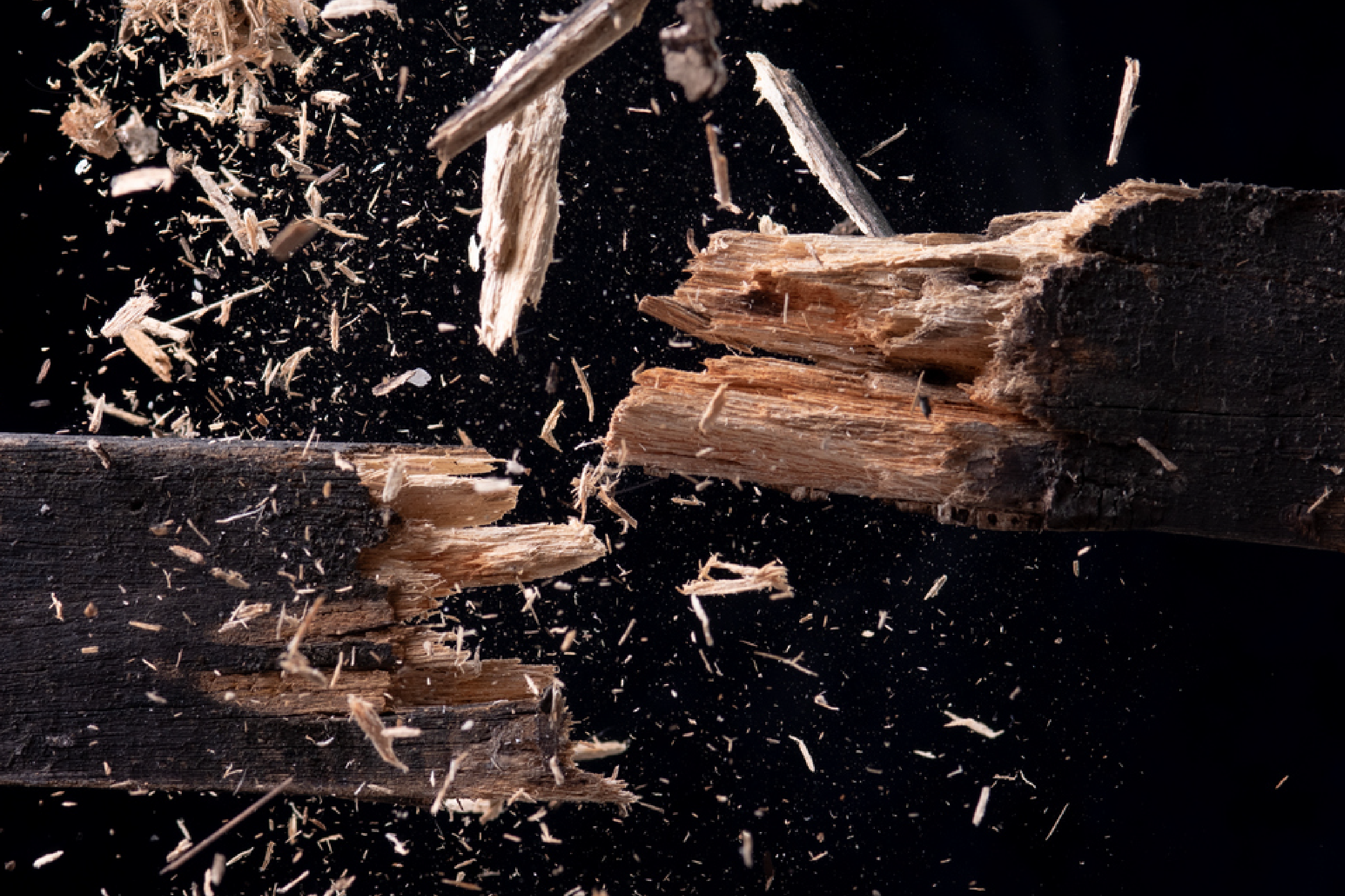
- Cracking, face checking, or delamination under stress
- Limited radius capability—especially on tight curves
- Moisture sensitivity that leads to warping over time
- High failure rates during installation
What looks workable in the shop can quickly become a liability on the jobsite.
Hand-Kerfing
Hand-kerfing is a time-honored technique, but it’s also one of the most unforgiving.
Common pain points include:
- Labor-intensive, slow processes
- Requires high skill to maintain consistency
- Structural weakness from over-kerfing
- Irregular spacing that creates uneven curves
- High material waste and rework
- Human error that’s difficult to correct or replicate
For large projects or tight timelines, hand-kerfing simply isn’t scalable.
CNC Kerfing
CNC kerfing adds precision, but it introduces new limitations.
Common pain points include:
- Expensive machine time and programming costs
- Long lead times before fabrication even begins
- Kerf patterns that weaken panel integrity
- Limited flexibility once kerfed—no room for adjustment
- Continued need for secondary stabilization
Even with advanced tooling, the material itself remains the weak link.
Designed to Bend: How Kerfkore Solves These Problems
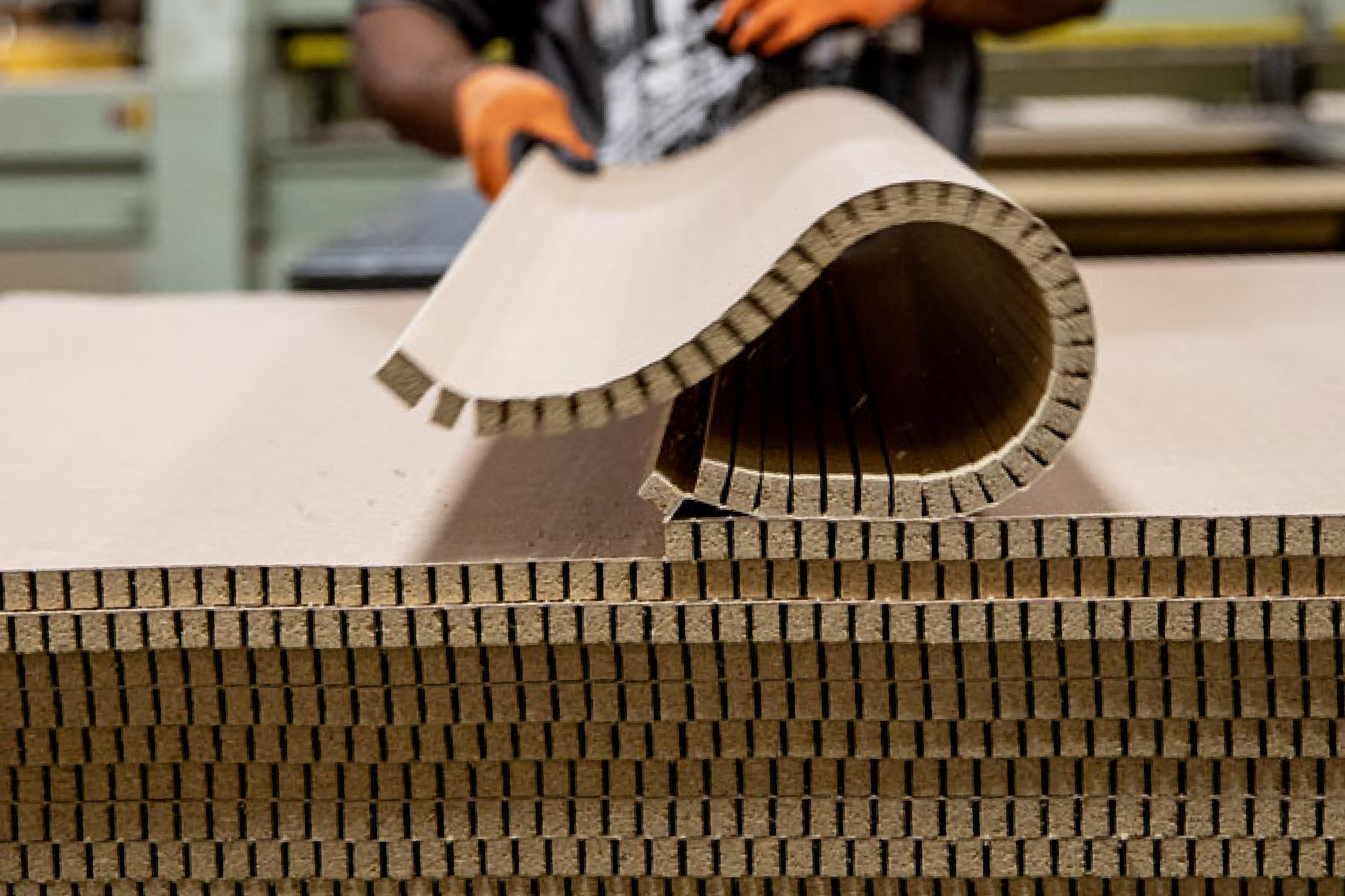
Kerfkore is a purpose-engineered panel designed to bend consistently and reliably.
- Engineered, not improvised: Kerfkore panels are designed from the start for controlled flexibility.
- Predictable kerf patterns: Factory-controlled kerfs deliver repeatable, consistent bends every time.
- Structural integrity: Panels flex without compromising strength or long-term performance.
- Finish-ready: Designed for lamination, veneering, painting, and durable finishes.
The result is a panel that bends where you want it to, how you expect it to, without surprises.
Where Kerfkore Excels
Kerfkore is trusted across industries and applications where curves aren’t optional—they’re essential:
- Curved walls and feature elements
- Columns and architectural wraps
- Reception desks and custom millwork
- Exhibits and museum installations
- Retail displays and branded environments
- Hospitality interiors
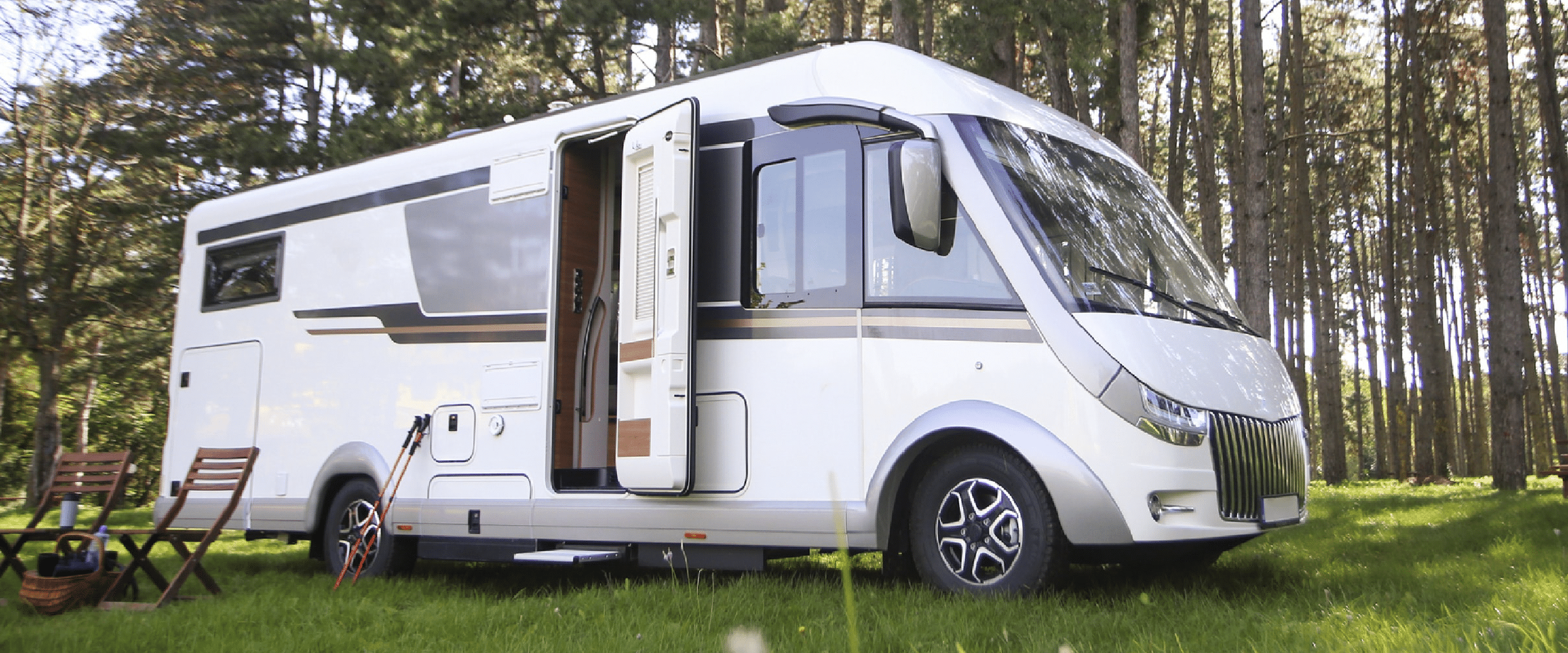
- RV and recreational vehicle interiors
- Educational and institutional spaces
From subtle radii to dramatic curves, Kerfkore performs where traditional materials fall short.
Product Spotlight: Choosing the Right Kerfkore Panel
Kerfkore offers multiple panel options to match performance needs, budget, and design intent.
Soflex: Ideal for tight radii and complex curves. Lightweight and highly flexible, with excellent lamination capability.
Timberflex: Designed for architectural applications requiring strength and smooth, continuous curves. Suitable for veneering and premium finishes.
Flexboard: A cost-effective solution for painted applications where flexibility and surface consistency matter.
Econokore: An economical option for larger projects, offering reliable bending performance at a lower price point.
Each panel is engineered with specific bending radii, finishing compatibility, and installation requirements in mind—making material selection straightforward instead of a guessing game.
Kerfkore in Action
Across hospitality, cultural, and educational environments, curved design pushes materials to their limits. These projects demand panels that bend predictably, install cleanly, and perform over time—often under tight timelines and high visibility. The following projects show how Kerfkore succeeds where traditional bending methods fall short, delivering reliable curves in some of the most demanding real-world applications.
Chatham Bars Renovation
The challenge: sweeping curves in a high-traffic hospitality environment with tight installation requirements. Traditional materials risked cracking and inconsistent alignment. Kerfkore delivered smooth, repeatable bends that installed cleanly and held up under daily use.
Art Institute of Chicago
Museum-grade design demands precision and longevity. Traditional panels couldn’t meet the structural and aesthetic requirements. Kerfkore enabled elegant curved forms while maintaining the integrity required for a world-class institution.
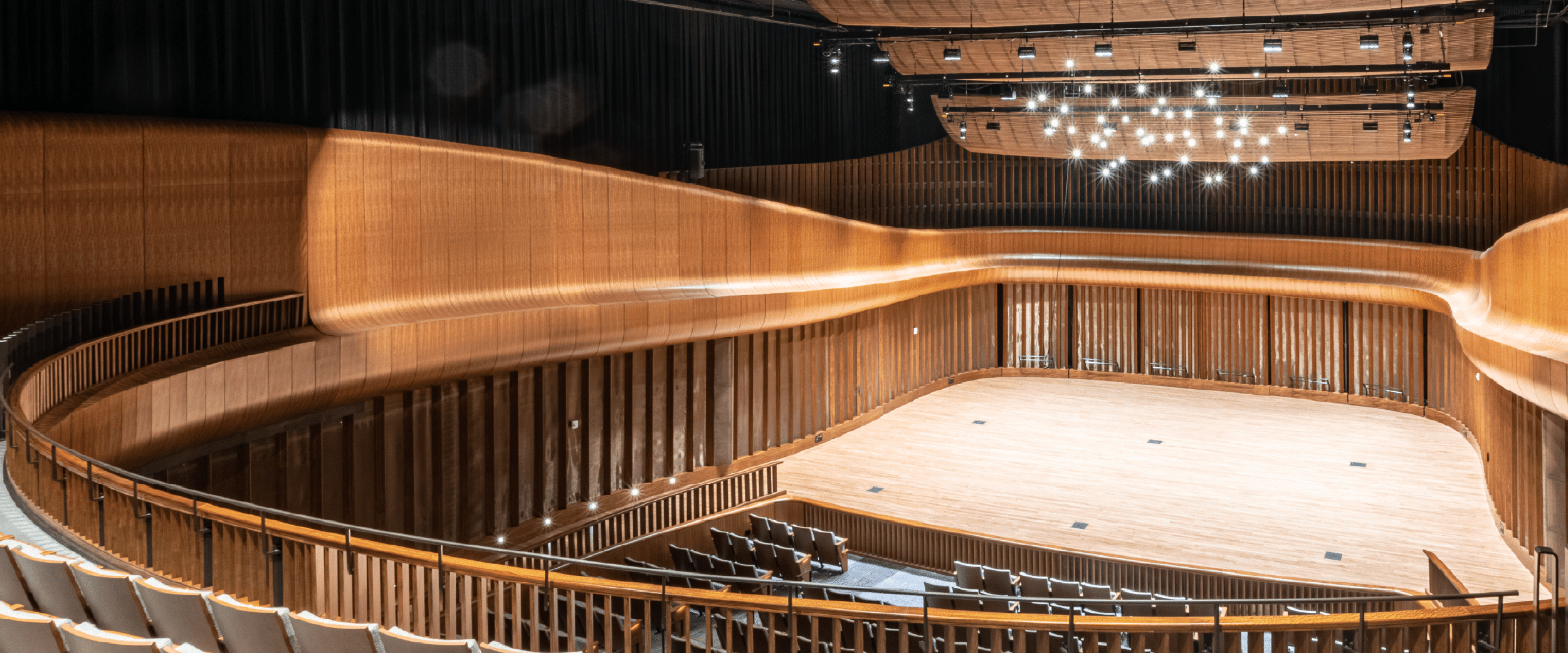
Texas A&M Music Education Complex
Complex geometries and large-scale curved elements made traditional bending methods impractical. Kerfkore allowed fabricators to achieve consistent curves across multiple installations without costly rework or delays.
Bend with Confidence
Traditional bending methods introduce unnecessary risk, waste, and frustration into curved design. Cracking panels, missed timelines, and unpredictable results shouldn’t be the price of creativity.
Kerfkore panels are engineered to remove uncertainty from curved fabrication. From tight radii to large-scale architectural installations, Kerfkore empowers designers, architects, and fabricators to bring curved visions to life—confidently and consistently.
Ready to stop fighting your materials?
Request a free Kerfkore sample kit and experience what purpose-built bending really feels like.