Lightweight Panels, Heavy Impact: Why Material Weight Matters More Than Ever
May 26, 2026If moving panels around the job site feels harder than the actual install, it might be time for a lighter solution.
In today’s construction and fabrication environments, efficiency isn’t just about performance on paper. It’s about how quickly a product moves from fabrication to installation, how much labor it requires, and how safely it can be handled on site.
That’s why lightweight architectural panels are becoming a smarter alternative to traditional plywood, particleboard, and MDF. Engineered to reduce weight without sacrificing structural integrity, these panels help simplify installation, reduce labor strain, and keep projects moving forward.
The Hidden Cost of Heavy Panels
Heavy materials create challenges long before a project is complete.
Traditional panels often require:
- Larger installation crews
- Additional equipment and staging
- More time for transport and positioning
- Increased physical strain on workers
- Slower installs that impact project timelines
As labor costs continue to rise, the true cost of heavy materials becomes harder to justify.
Lightweight architectural panels help reduce those inefficiencies by making handling, transport, and installation significantly easier—especially in oversized, elevated, or large-scale applications.
Why Lightweight Panels Improve Project Efficiency
Material weight directly affects installation speed.
Lighter panels are easier to move, easier to position, and easier to install. That translates to:
- Faster movement from delivery to installation
- Reduced dependence on lifts or oversized crews
- Easier handling in overhead or tight-space applications
- Fewer delays caused by difficult installs
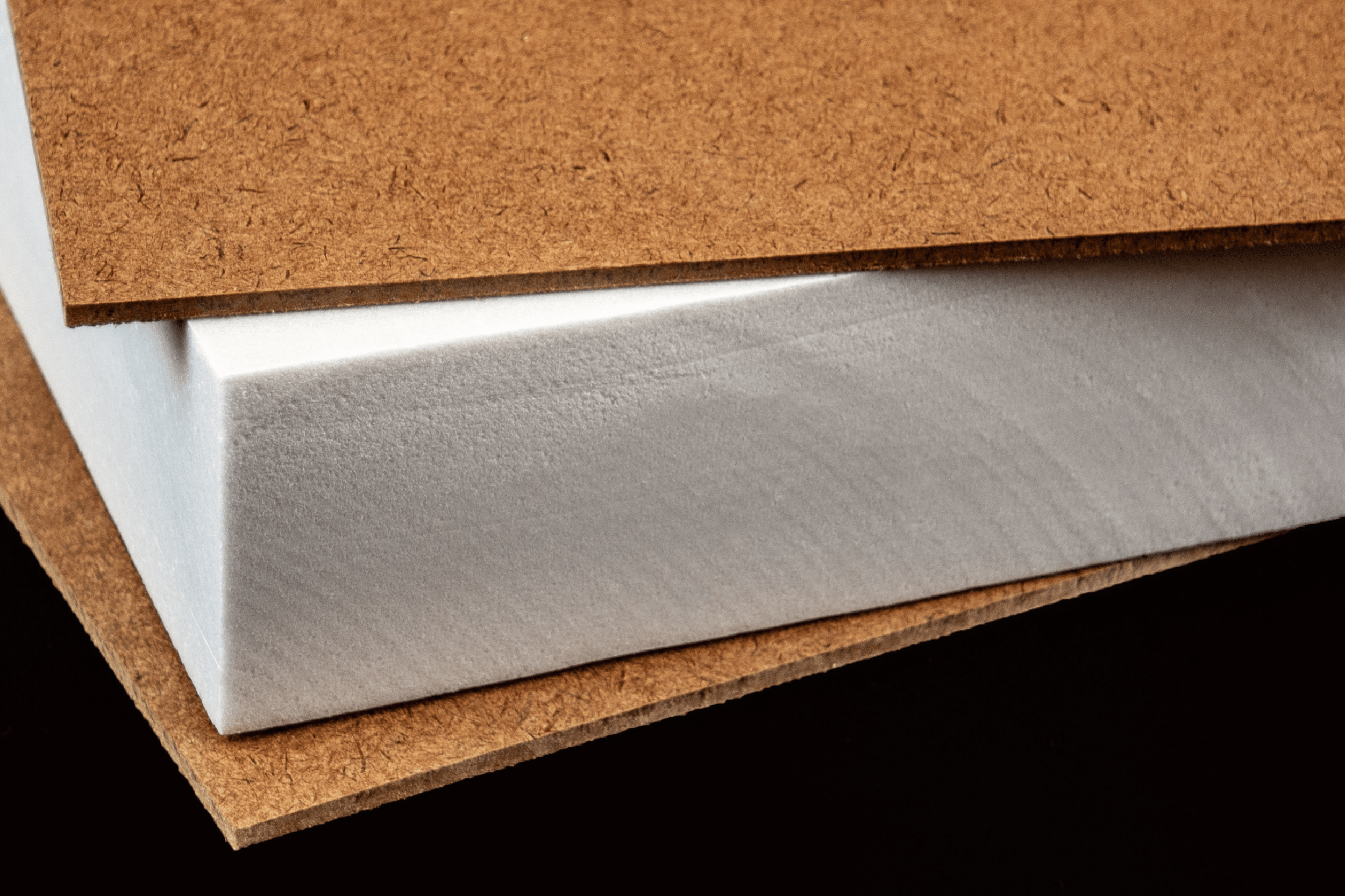
Kerfkore lightweight architectural panels are engineered with rigid face materials and lightweight cores that can reduce weight by up to 80% compared to plywood, particleboard, and MDF.
The result is a more efficient install process with less labor strain and greater flexibility on the job site.
Lightweight Doesn’t Mean Weak
One of the biggest misconceptions about lightweight panels is that reducing weight means sacrificing strength.
Modern lightweight architectural panels are specifically engineered to maintain structural integrity while reducing unnecessary mass. Kerfkore panels use a balanced construction of thin, rigid face materials combined with lightweight foam cores to create panels that remain stable, durable, and easy to fabricate.
That means you still get:
- Compatibility with conventional fastening methods
- Smooth, consistent surfaces for finishing
- Support for laminates, veneers, metals, and other decorative materials
Ideal Applications for Lightweight Architectural Panels
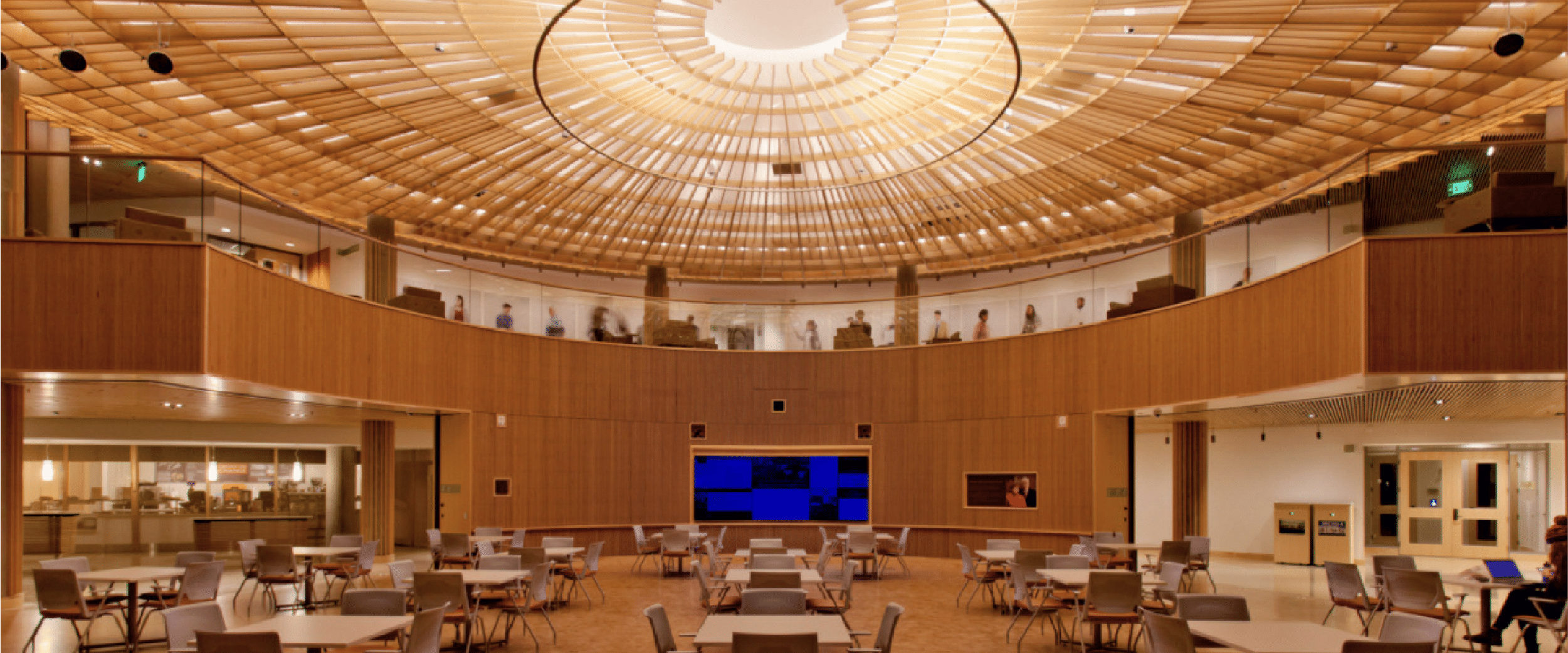
Lightweight panels are particularly effective in applications where traditional materials create installation challenges.
Common use cases include:
- Large-scale wall systems
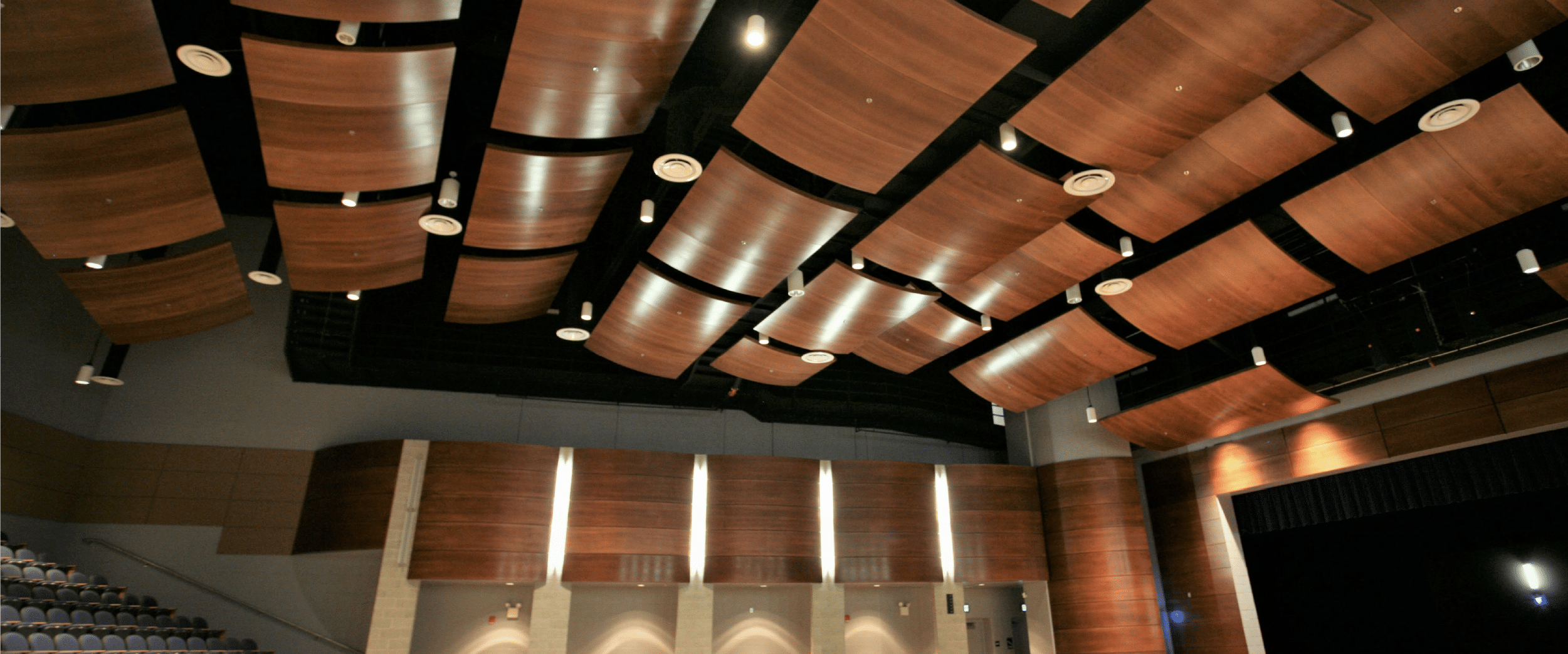
- Ceiling clouds and baffles
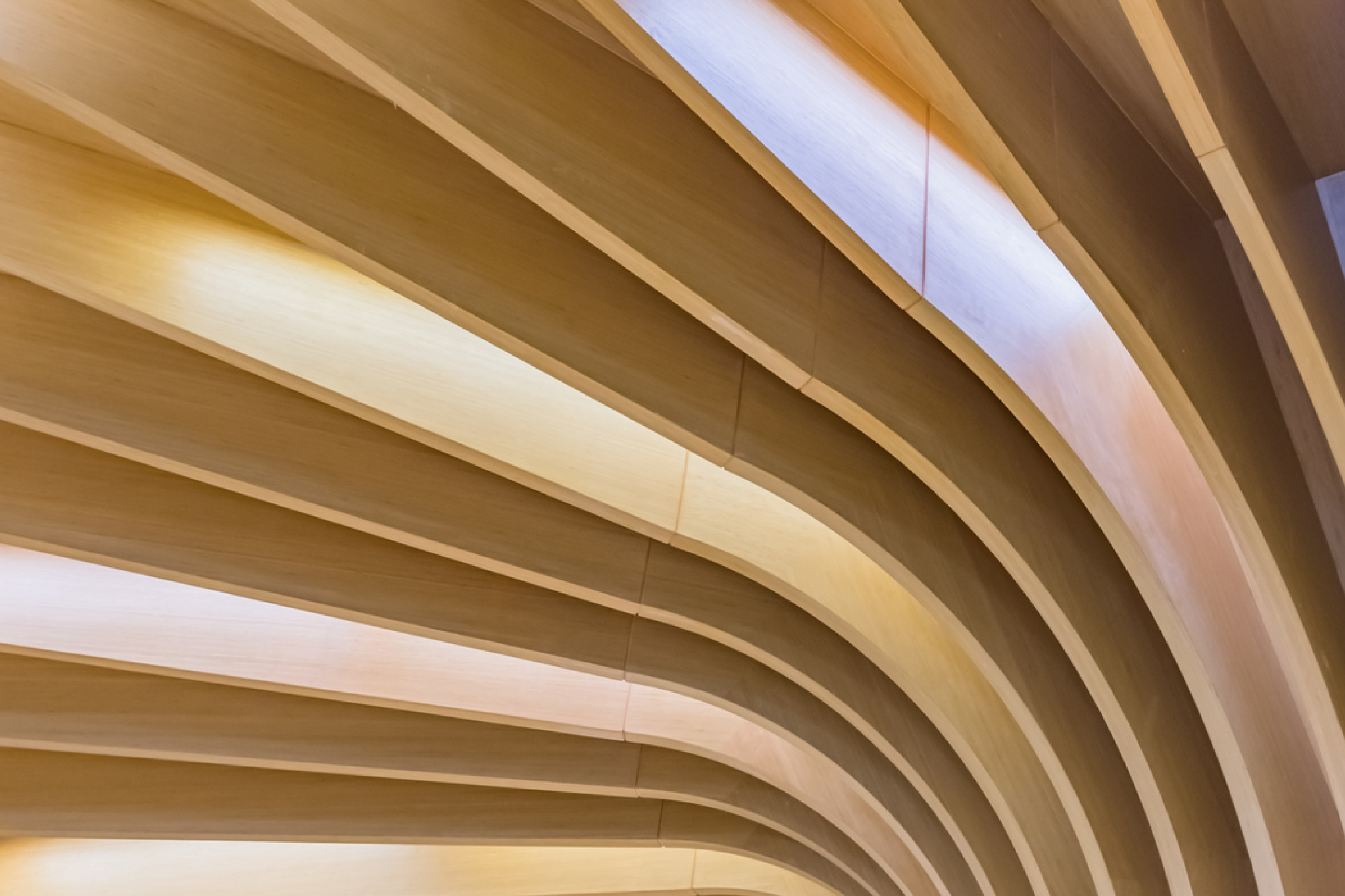
- Overhead architectural features
- Retail fixtures and displays
- Cabinetry and millwork
- Trade show and exhibit fabrication
- Oversized doors and feature panels
These applications benefit from reduced panel weight because they require less labor to maneuver and install while still maintaining a clean, durable finish.
Choosing the Right Lightweight Panel
Not all lightweight panels are built the same.
Kerfkore offers lightweight panel options designed around different project requirements, including:
- Worklite EPS Foamkore panels for cost-effective weight reduction
- Worklite XPS Foamkore panels for smoother edges, moisture resistance, and enhanced dimensional stability
Both options are available in multiple thicknesses, face materials, and panel sizes to support a wide range of fabrication and architectural applications.
Use the Kerfkore lightweight panel selection tool to get a recommendation for the best panel to work for your project requirements.
The Real ROI of Lightweight Materials
Lightweight panels don’t just improve handling—they improve project economics.
Reducing panel weight can help:
- Lower labor requirements
- Shorten installation timelines
- Improve worker safety
- Reduce fatigue on site
- Simplify transportation and staging
- Minimize rework and installation delays
When multiplied across an entire project, those efficiencies can have a measurable impact on cost, scheduling, and overall project execution.
Rethinking Material Efficiency
For years, heavy materials were accepted as “just part of the job.” But modern fabrication and construction demand better solutions.
Lightweight architectural panels offer a more efficient approach—one that improves handling, accelerates installation, and supports high-quality finishes without the burden of excessive weight.
Because the best material isn’t just strong. It’s the one that helps your team build faster, safer, and more efficiently from start to finish.
Ready to lighten the load on your next project? Explore Kerfkore lightweight architectural panels and see how smarter materials can speed up installs and simplify fabrication.