Why Curved Design Is Back—and Easier Than Ever
April 22, 2026After years of obsessing over straight lines and sharp corners… we’re finally coming to our senses.
Because last time anyone checked—nature doesn’t do rectangles.
Curved Design: Organic Is the New Power Move
Design is loosening up. Finally.
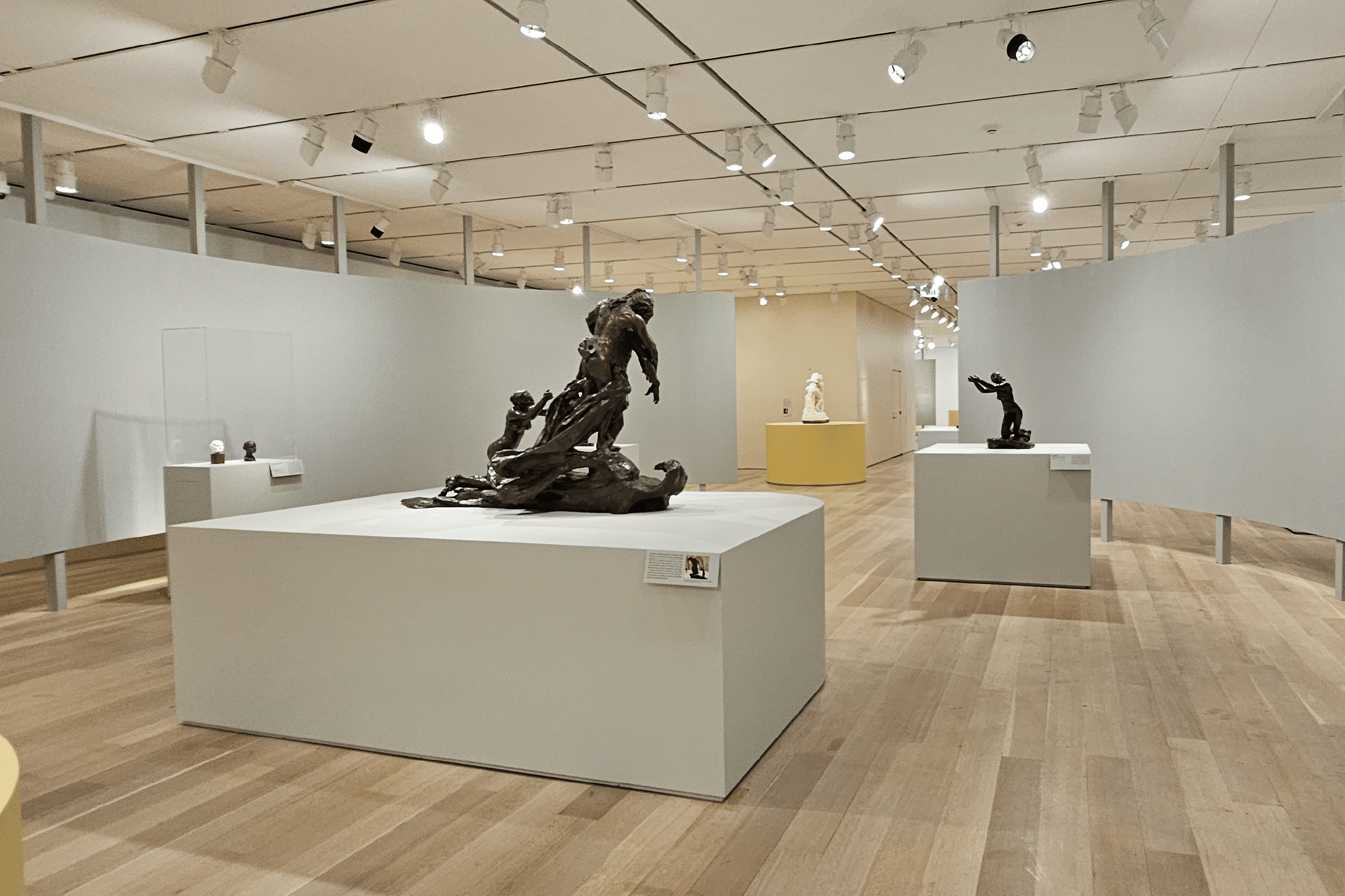
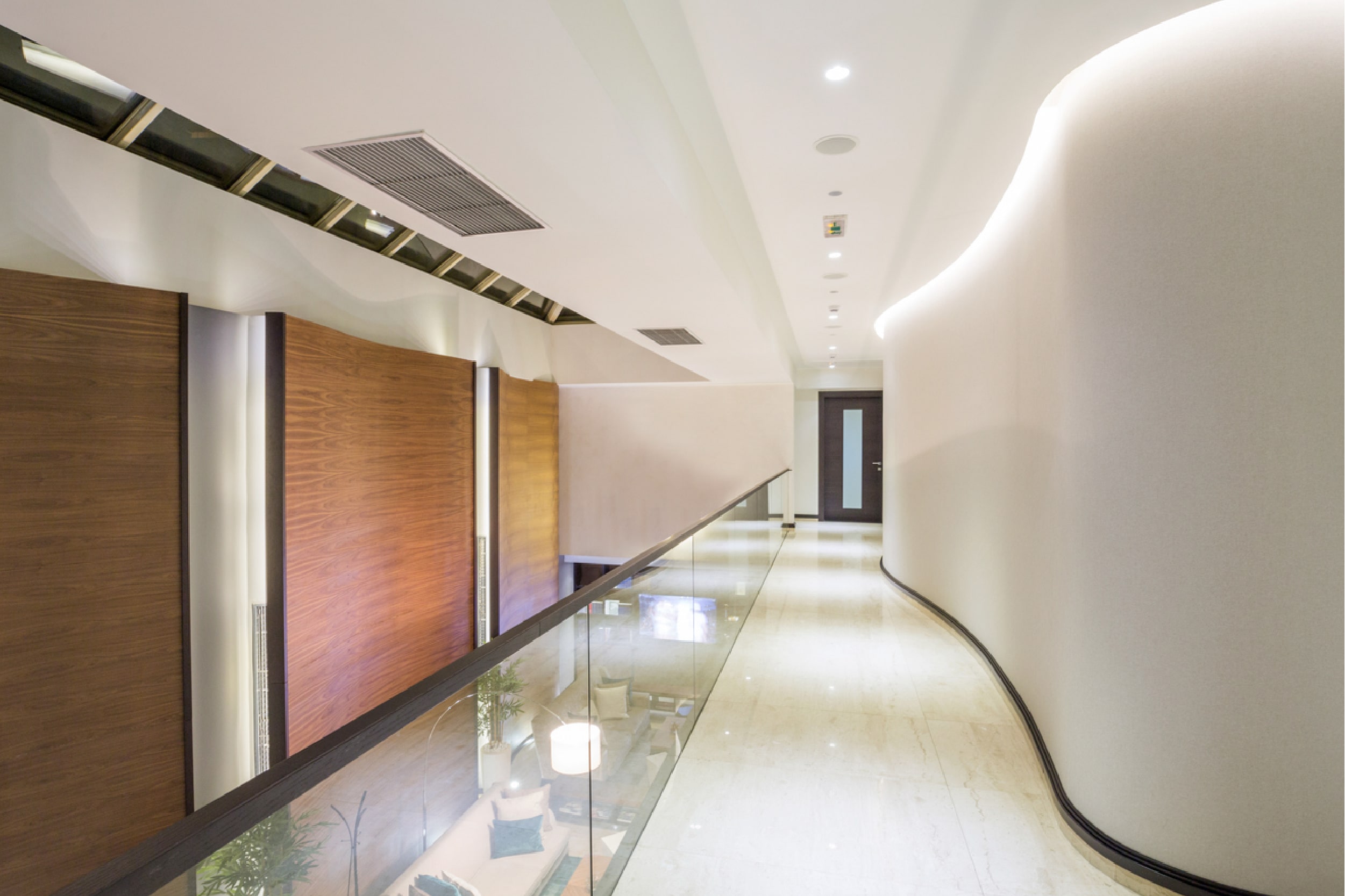
Curved walls, rounded millwork, sweeping architectural forms—spaces are starting to feel human again. Less rigid grid, more flow. Less “corporate box,” more actual experience.
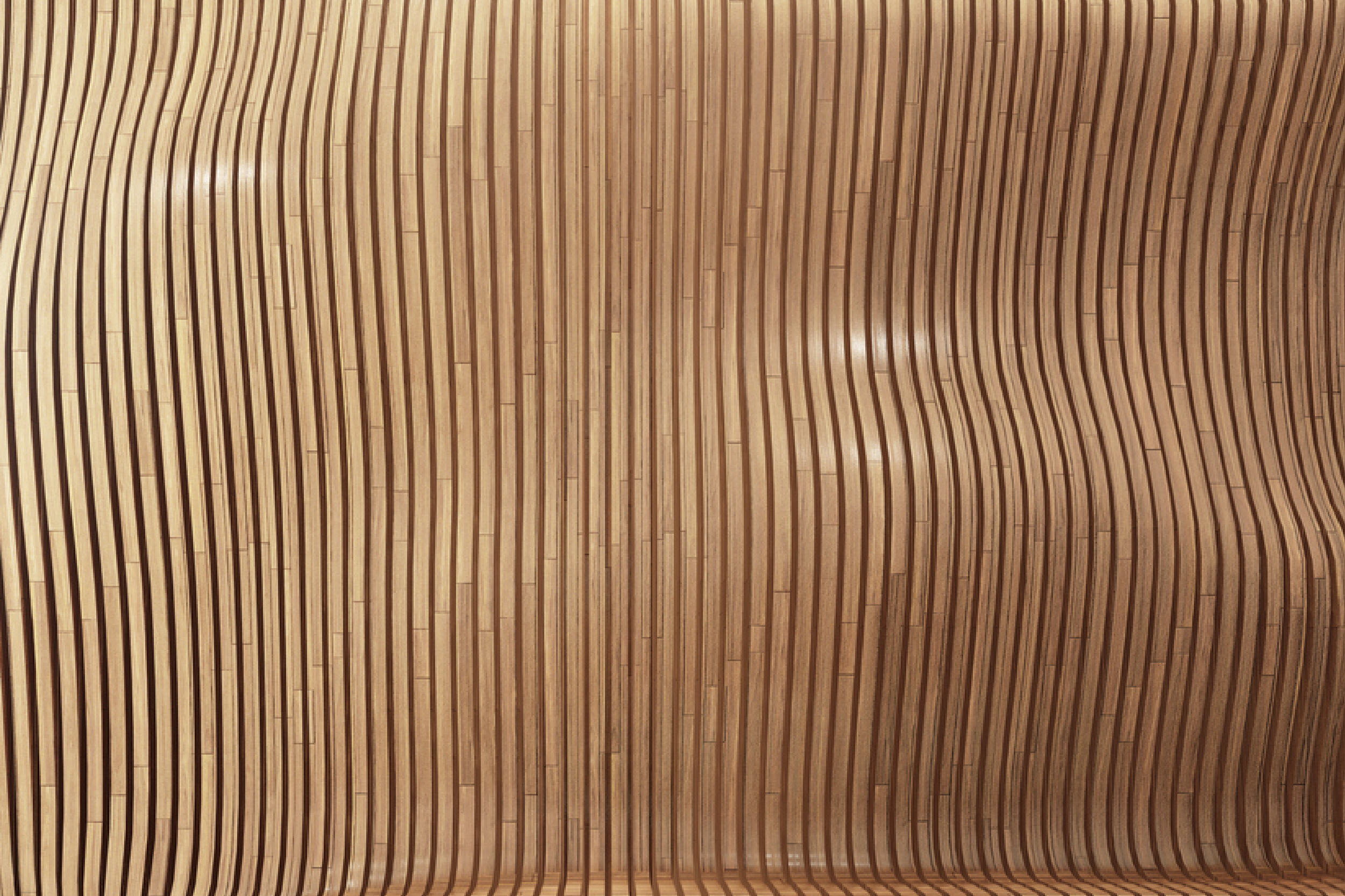
Curves bring movement. They guide the eye. They soften environments and make them feel intentional instead of assembled. From sculptural columns to statement walls that actually do something, curved design isn’t just aesthetic—it’s emotional.
It’s not a trend. It’s a correction.
The Problem: Traditional Materials Fight You Every Step of the Way
Here’s the part nobody loved talking about.
Building curves used to be… a pain.
Plywood? Fights back.
MDF? Cracks under pressure.
Laminate panels? Good luck.
Getting a clean curve meant jumping through hoops—kerf-cutting on-site, laminating layers, overengineering the process just to make something bend. It burned time, money, and patience.
The vision was easy. Actually building it? Not so much.
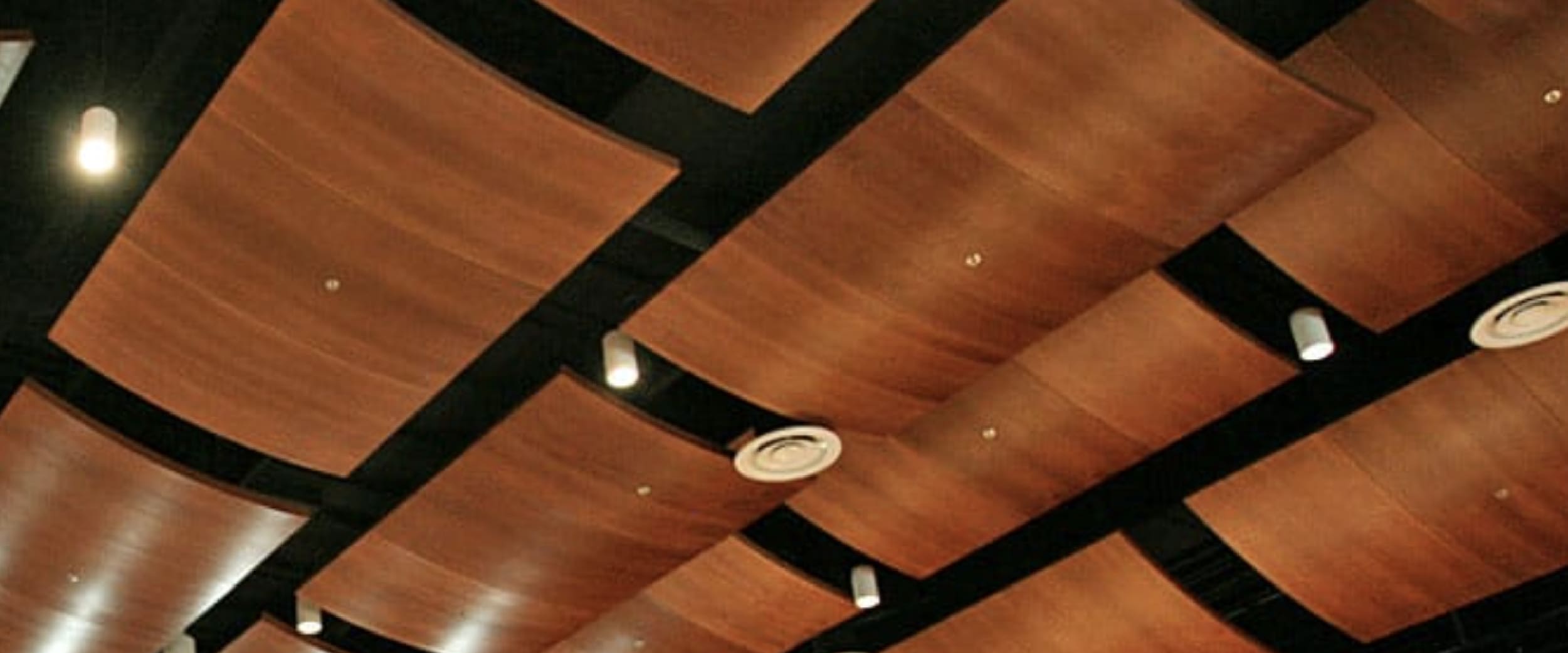
The Shift: Materials That Finally Get It
Now? Different story.
Engineered flexible panels—like Kerfkore—changed the rules.
These aren’t materials you force into shape. They’re built to move. Smoothly. Predictably. Without drama.
No hacks. No workarounds. No babysitting the process.
You get:
- Faster fabrication
- Cleaner installs
- Consistent, repeatable curves
- Structural integrity that doesn’t fall apart under pressure
- Compatibility with the finishes you actually want to use
In other words, what used to take gymnastics now takes… a plan.
Where Curves Actually Show Off
This isn’t just theory—curved panels show up strong where it counts:
Columns
Turn structural necessities into architectural features. Clean, continuous, no seams fighting for attention.
Feature Walls
Flat walls are fine. Curved walls do something. They pull people in, add depth, and make a space memorable.
Millwork & Casework
Reception desks, cabinetry, built-ins—suddenly they’re not just functional, they’re signature pieces.
And the best part? These aren’t just prettier spaces—they feel better. More fluid. More intuitive. Less like a box you’re stuck inside.
Curved Design, Without the Headache
Curved architecture used to be reserved for big budgets and specialty teams.
Not anymore.
With the right materials, curves are just another tool—not a complication. You can design freely without worrying about how painful it’ll be to actually build.
So yeah… we can stop pretending boxy was ever the goal.
Bottom Line
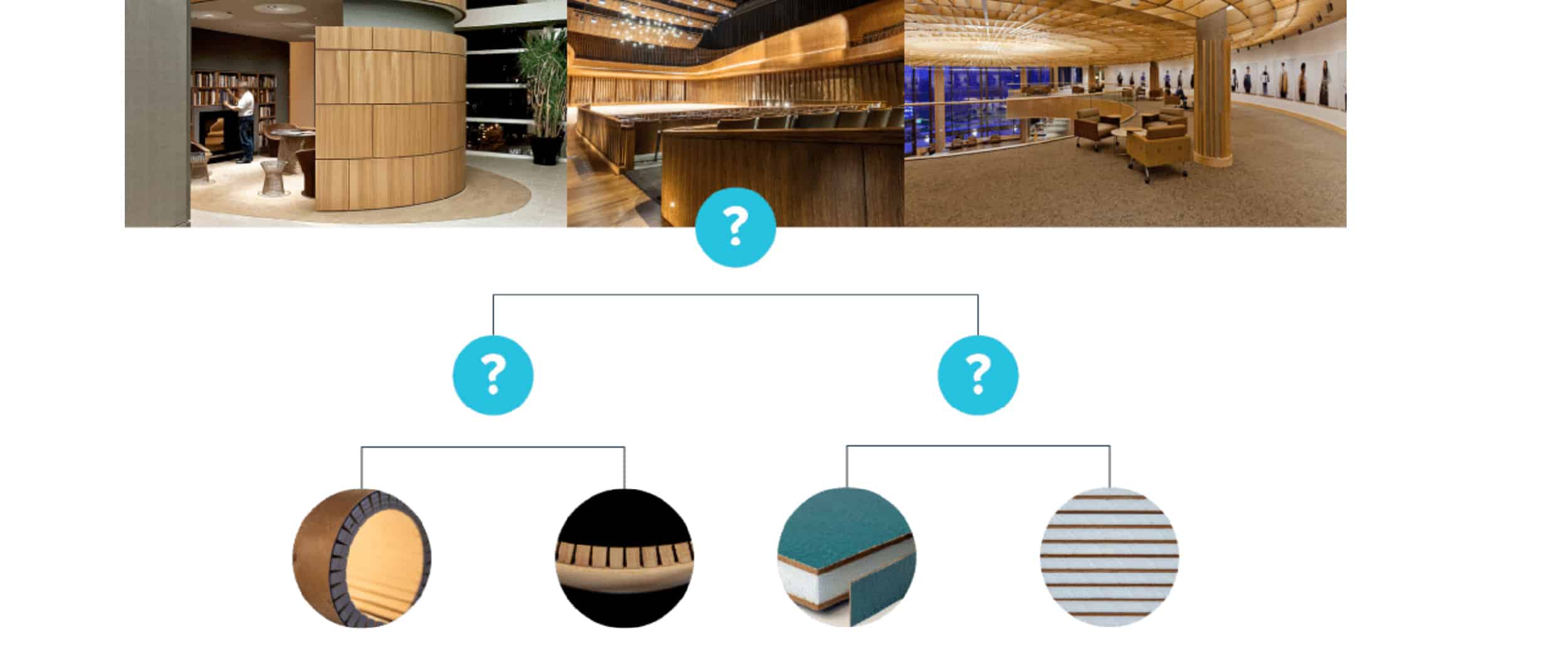
If you’re thinking about bringing curves into your next project, it doesn’t start with a sketch—it starts with the right material.
Kerfkore’s panel solutions (and selection tools) make it easy to match the product to the application, so you can focus on design instead of damage control.
More freedom. Less friction. Better spaces.
That’s the whole game.