Curves Are Back: Why 2026 Is the Year of Fluid Design
January 5, 2026In 2026, design and architecture are leaning into curves — not just as a fleeting flourish, but as a fundamental rethinking of how we inhabit space. After years of minimalism, sharp lines, and rectilinear geometry, architects and designers are embracing softness, fluidity, and human-centered forms – as if designers collectively decided it was time for spaces that feel inviting rather than accidentally hazardous.
From Geometry to Biology: What Curves Bring
- Emotional comfort & psychological ease — Curved lines echo shapes found in nature — hills, waves, organic growth — and as a result instinctively feel more welcoming and calming than rigid, angular geometry.
- Improved spatial flow & movement — Curved walls, archways, rounded corners, or organically shaped furniture guide circulation more gently. They create a sense of flow and continuity that’s especially beneficial in tight or irregular spaces.
- Harmony with nature & context — In “organic” architecture, curved forms help buildings relate more harmoniously to their environment. Rather than imposing rigid geometry on a landscape, curving shapes allow architecture to adapt to terrain, vegetation, light, and topography, a design philosophy that resonates increasingly with ecological awareness and biophilic sensibilities.
2026 Interior & Architecture Trends Embracing Curves
The Broader Shift: Warm Minimalism, Earthy Textures. & Personalization
The overall mood for 2026: homes as cozy sanctuaries, not showrooms. Designers are moving beyond sterile minimalism toward warmth, personality, and well-being. Expect natural materials (wood, stone, plaster), tactile textures, and earthy, grounding color palettes — all combined with soft, curved forms.
A growing emphasis on human-centered design and comfort means interiors are built not just for aesthetic perfection, but for everyday living, comfort, and emotional well-being.
Where Curves Are Showing Up
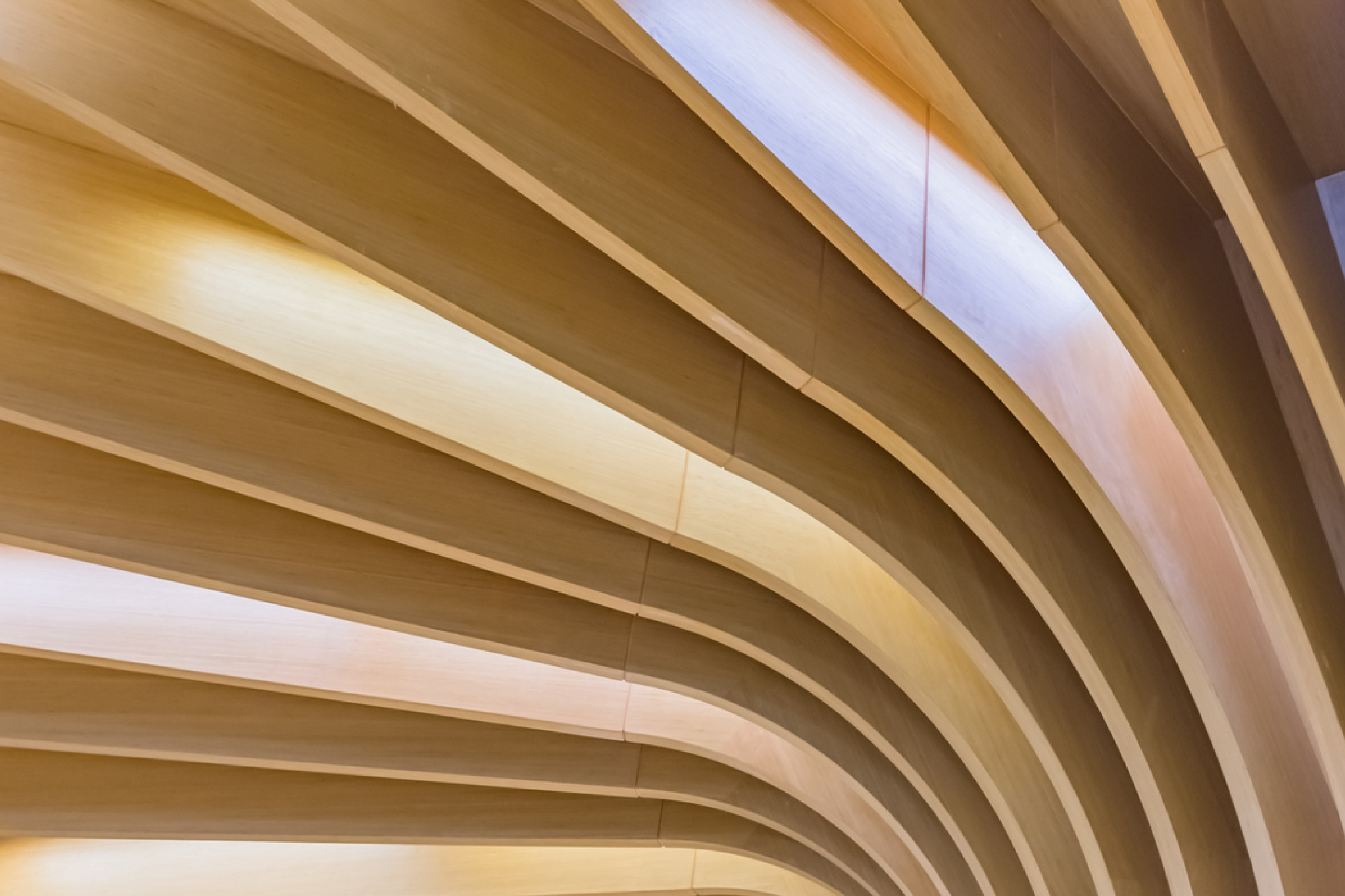
- Architecture & structure — Rounded walls, archways, vaulted ceilings, arched windows, dome-like elements, flowing facades, and organically shaped structural forms are re-emerging.
- Interiors & millwork — Curved joinery, rounded kitchen islands, sculptural cabinetry and counter profiles, fluted/plinth detail with softened edges. Even hardware and detailing are softening to match the curved geometry.
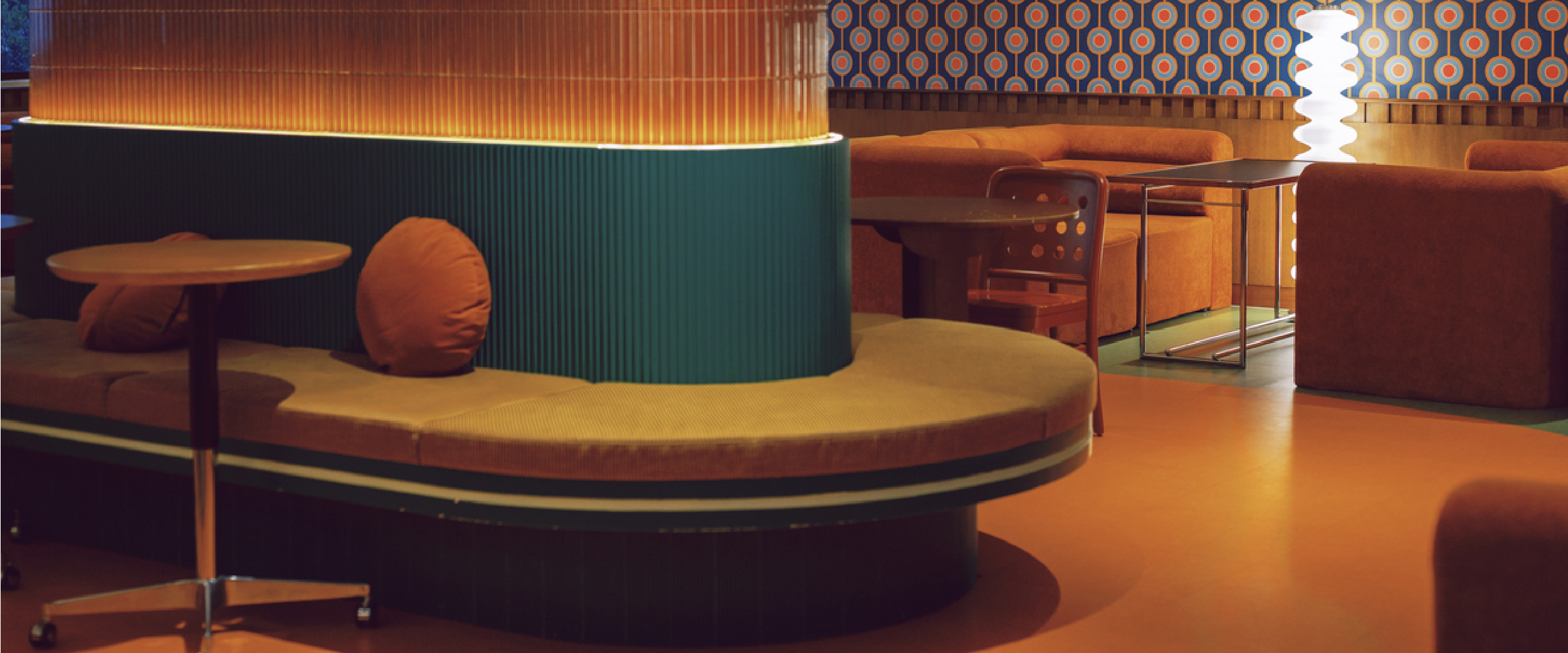
- Furniture & decor — Rounded sofas and sectionals, organic-shaped chairs and ottomans, curved tables and island counters, arched mirrors, and curvilinear lighting fixtures are hot. These items feel sculptural, more human, and more flexible for evolving layouts.
Why Design Is Rounding Out
Material Innovation & Custom Fabrication:
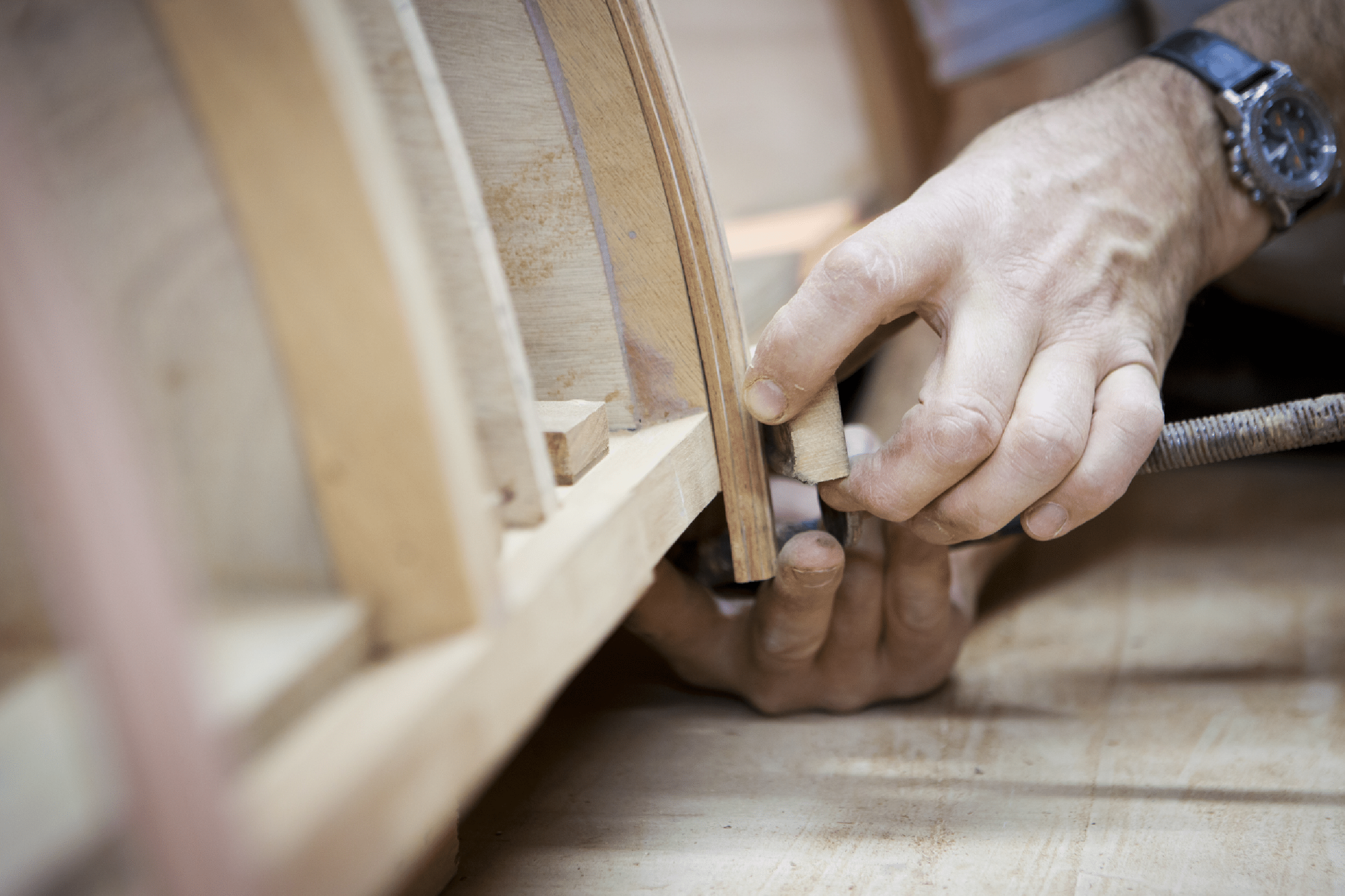
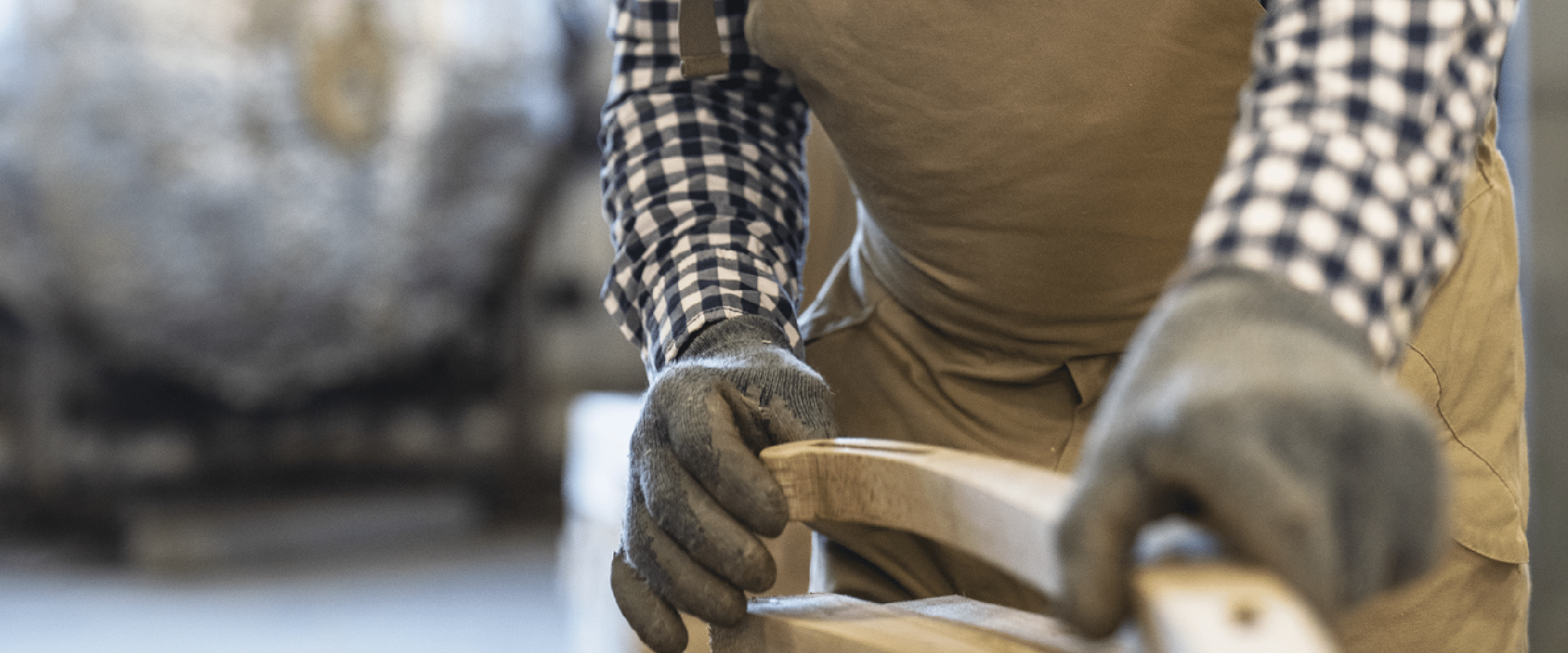
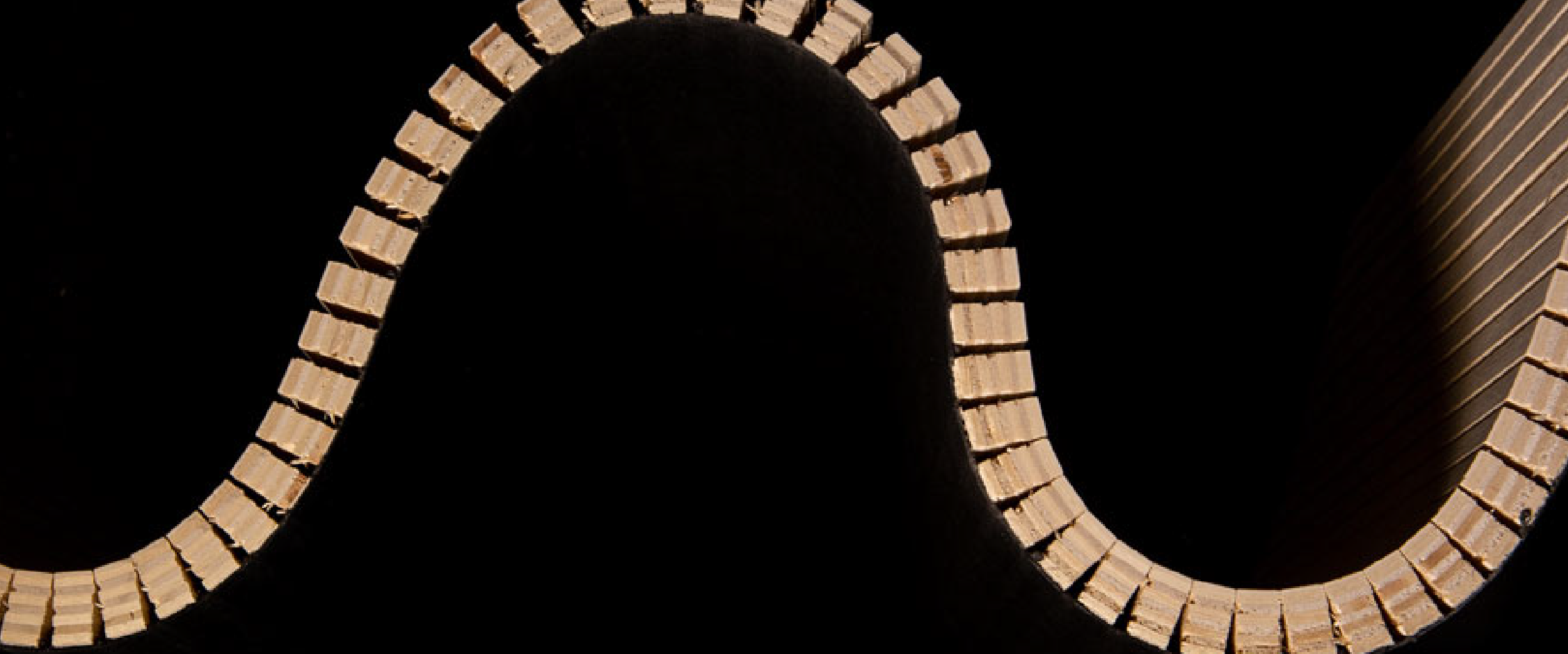
Curved architecture often calls for more advanced fabrication techniques, from curved timber and laminated plywood to bent glass and custom-formed structural elements. As demand grows for unique, nature-inspired forms, curves open the door to design possibilities that standard rectilinear construction simply can’t achieve.
Sustainability & Biophilic Design Alignment:
With 2026 emphasizing sustainable materials, low-carbon construction, and human-centered environments, curves provide more than aesthetic appeal. Their fluid forms can improve energy performance, support natural ventilation, enhance acoustics, and create spaces that feel more organically integrated with their surroundings.
Emotional & Lifestyle Value:
As people gravitate toward interiors that prioritize comfort, wellbeing, and personal expression, curved, warm, and tactile forms help meet those needs. Soft geometry and organic lines offer a sense of calm and approachability that stark, rigid spaces often struggle to provide.
What to Watch For (and Some Things to Consider)
Curved architecture and design aren’t always easy — there are tradeoffs and technical challenges:
- Complexity in planning and fabrication: Curves require more careful geometry, precise fabrication, and often materials or fabrication techniques beyond standard straight-line construction.
- Cost & labor considerations: Custom curved elements, especially structural, joinery, or facade components, can be more expensive than standard rectilinear parts.
- Balance & intention: Curves shouldn’t be used gratuitously. For maximum impact, they work best when integrated thoughtfully, as part of materiality, spatial flow, and user experience. Misused curves can become gimmicky or lose their warmth. For curves to have maximum impact, they must be integrated thoughtfully. They work best when enhancing materiality, spatial flow, and the user experience. Misused curves risk appearing gimmicky or losing their intended warmth.
Curves as a Statement of 2026’s New Design Ethos
In 2026, curves are more than a fad — they represent a cultural and aesthetic shift. As we move away from “cold minimalism” and rigid modernism, clients and designers alike are embracing warmth, comfort, natural forms, and human-centered spaces.
For fabricators and architects, suppliers like Kerfkore open up exciting possibilities: delivering bespoke curved elements, embracing sustainable and organic architectures, and helping shape environments that feel alive, fluid, and deeply human.