
Architect vs. Fabricator: Best Practices for Curved Millwork Projects
April 7, 2026In design meetings, curves are graceful, flowing, and a little bit poetic.
In the millwork shop… they’re more like, “Wait—how are we actually building this?”
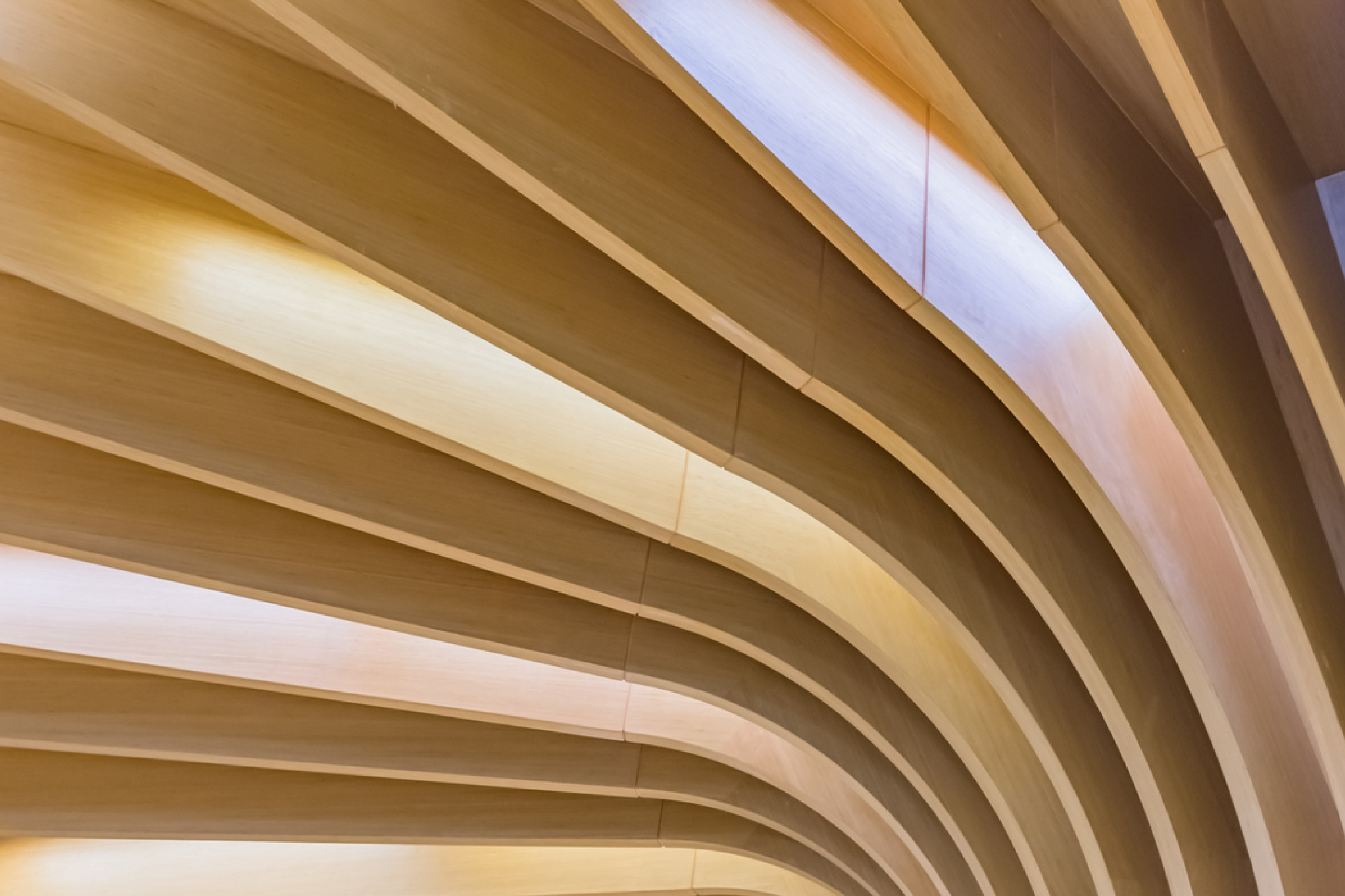
Curved millwork is everywhere right now. Hospitality, healthcare, retail, workplace—you name it, it’s bending. Designers love curves for their ability to soften spaces, guide movement, and make interiors feel less like a box and more like an experience.
But here’s the catch: What looks effortless in a rendering can turn into a full-blown puzzle once it hits the shop floor.
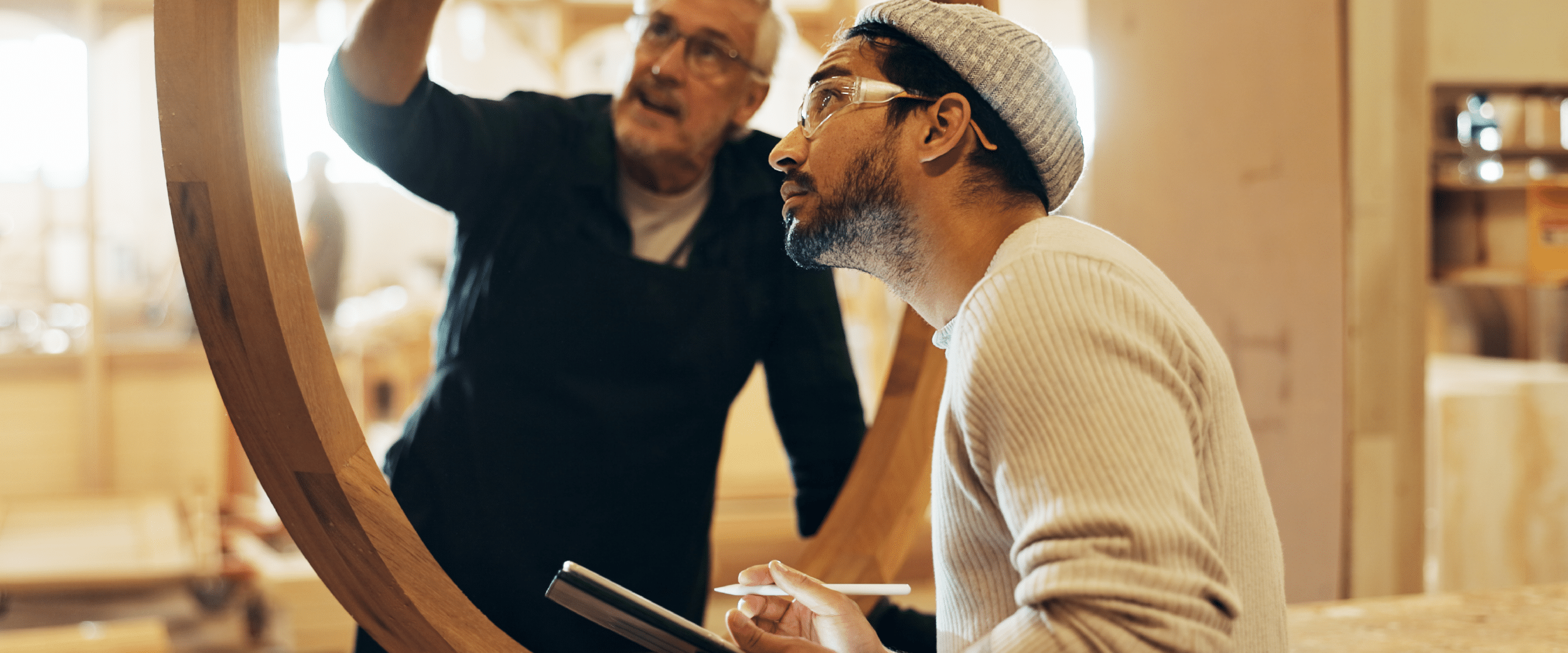
Architects design the vision, fabricators build the reality. When those two worlds aren’t aligned, curved millwork projects can quickly become expensive, slow, and frustrating.
When they are aligned? Curves become efficient, repeatable, and downright beautiful. The key is bridging the gap between design intent and fabrication execution—often with the help of materials specifically engineered for curved applications, like Kerfkore.
Let’s look at where curved millwork projects commonly break down and the best practices that help architects and fabricators work together more effectively.
The Curved Millwork Disconnect: When Curved Projects Go Sideways
Curved millwork doesn’t fail because curves are bad. It fails because architects and fabricators are solving two different problems.
The Architect’s Perspective
Architects typically focus on the aesthetic impact of curved forms and the spatial experience they create. Curves can soften rigid environments, guide circulation, and introduce visual interest.
Curves = flow, softness, movement, visual interest. All good things
However, architectural drawings sometimes assume curves are easier to fabricate than they actually are. Without visibility into shop processes, details like radius limitations, panel sizes, or fabrication methods may not be fully considered.
The Fabricator’s Perspective
Fabricators are focused on things like: buildability, timelines, and repeatability. Curves can introduce significant challenges in the shop.
Curves often mean:
- Extra labor
- Custom jigs
- Specialized materials
- “Creative” problem-solving (AKA last-minute chaos)
When drawings lack key fabrication details — such as exact radii or material specifications — the shop is left to solve complex problems late in the process.
The result is often rework, delays, or budget overruns. Fortunately, these issues are avoidable when both sides follow a few key best practices.
Best Practice #1: Pick the Radius Early
“Soft curve” is not a dimension. One of the most common causes of curved millwork challenges is vague geometry. Early radius decisions eliminate guesswork later in the process.
Architect Tips
Architects can make curved millwork significantly easier to fabricate by:
- Specifying exact radii
- Considering panel size limitations when designing curved elements
- Maintaining consistent geometry across repeated elements throughout the project
Clear and consistent radii allow fabricators to plan materials, tooling, and fabrication methods more effectively.
Fabricator Tips
Fabricators should verify critical requirements early by:
- Confirming minimum bend radius limitations for the selected materials
- Determining where segmented curves versus continuous curves are appropriate
- Evaluating material thickness and substrate compatibility
Aligning on these details early prevents surprises during fabrication.
Best Practice #2: Choose the Right Curving Method
Not all curved millwork is produced the same way. There’s more than one way to bend a panel, but not all of them are your friend.
Common Methods
Kerf Cutting
A traditional technique where grooves are cut into the back of a panel to allow it to bend. While effective, it can be labor-intensive and not exactly structural poetry.
Bent Laminations
Multiple thin layers are glued together around a form to create a curved structure. This method produces strong results, but you’d better have the time, forms, patience, and lots of coffee.
Flexible Panels
Engineered flexible substrates allow consistent bending without extensive modification. Yes, this is where things start getting easier.
Key Considerations
Each method impacts:
- Labor time
- Fabrication consistency
- Structural stability
- Finish quality
Architect Insight
Architects can simplify fabrication by specifying systems designed specifically for curved applications.
Fabricator Insight
Standardized flexible panels can reduce shop complexity and make curved fabrication far more predictable.
Best Practice #3: Design for Repeatability
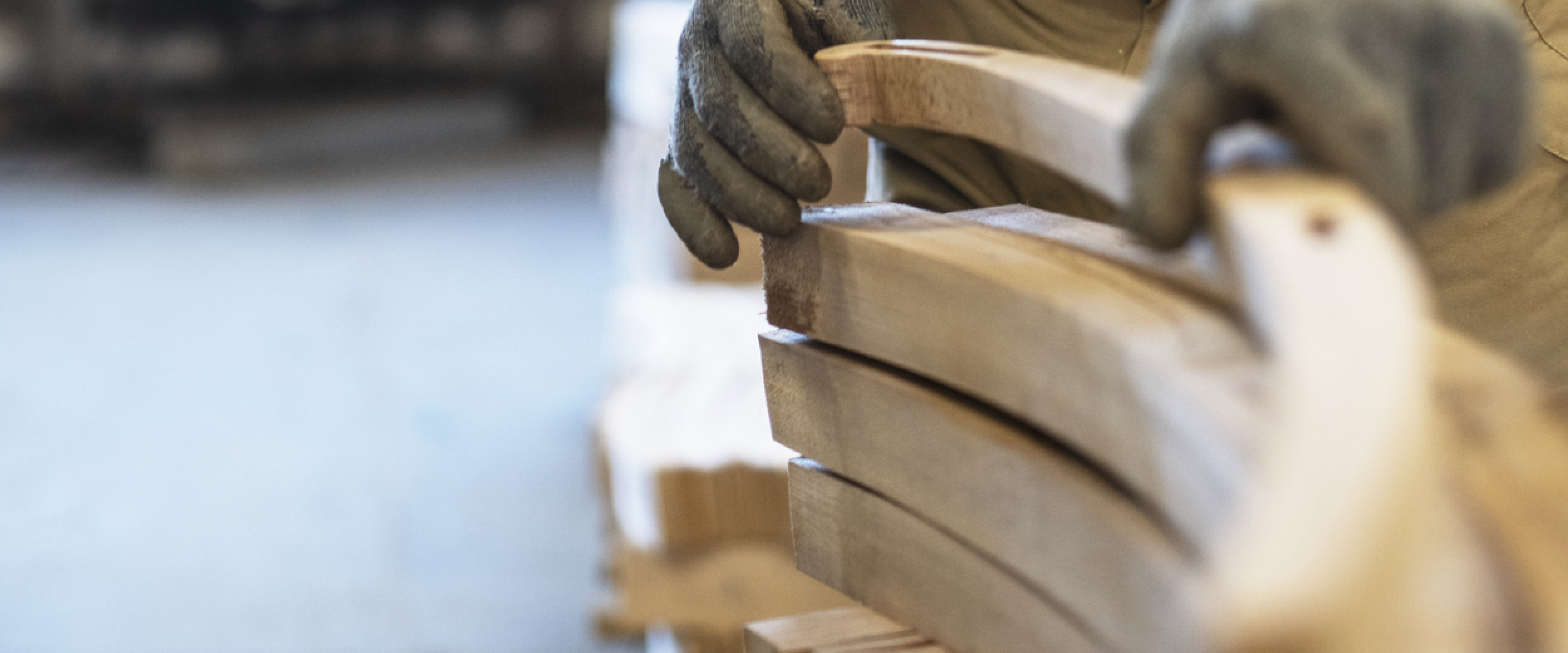
Curves become far more manageable when they are repeatable.
When every curved element in a project has a slightly different radius, fabrication becomes slow and costly.
Architect Recommendations
Architects can improve fabrication efficiency by:
- Standardizing radii across the project
- Avoiding unnecessary variations in curvature
- Coordinating closely with millwork drawings early in the process
Fabricator Recommendations
Fabricators can further streamline production by:
- Developing jigs or templates for repeated curves
- Using materials designed for consistent bending
- Pre-planning assembly sequencing for curved components
The Outcome
Designing for repeatability leads to:
- Faster production timelines
- Lower fabrication costs
- Greater consistency across installations
- Fewer gray hairs
Best Practice #4: Think About Finish Surfaces Early
The finish materials applied to curved millwork are just as important as the structure beneath them. Curved surfaces can introduce several finish-related challenges, including:
- Veneer cracking
- Laminate stress points
- Awkward seams
- Edges that refuse to cooperate
Architect Considerations
Architects should specify finish materials that are compatible with the required bend radius and construction method.
Fabricator Considerations
Fabricators should test finish materials on curved substrates before full production begins. Because discovering a finish issue after installation is…not ideal.
Best Practice #5: Bring the Fabricator Into the Conversation Earlier (Like, Way Earlier)
The best curved projects don’t happen by accident.
They happen because people talked before things were locked in.
Early collaboration can include:
- Shop consultations during design development
- Material testing
- Mockups or prototypes
- Guidance from material manufacturers
Translation: Solve problems when they’re cheap, not when they’re installed.
How the Right Materials Simplify Curved Millwork
Let’s be honest—some materials fight you. Others cooperate.
Engineered flexible panels (like Kerfkore) are designed specifically for this kind of work, which means:
- Consistent and predictable bend radius
- Less labor
- More reliable and repeatable fabrication results
- Lightweight construction options for easier installation
For architects: more design freedom, fewer compromises.
For fabricators: less guesswork, more control.
Everyone wins. Even the schedule.
Great Curves Come from Great Collaboration
Great curves don’t just happen by accident. The key is aligning design intent with fabrication reality.
When architects and fabricators:
- Define geometry early
- Choose the right methods
- Standardize where possible
- Collaborate upfront
Curves stop being a problem… and start being a strength.
Products like Kerfkore’s flexible panels help bridge the gap between design and fabrication by providing consistent bend radii, predictable performance, and reduced shop labor compared to traditional curving methods.
Make Your Next Curve Less “Adventure,” and More “Execution”
Curved millwork becomes much easier when the right materials are part of the process from the beginning.
With the right approach—and the right materials—you can go from concept to installation without the usual chaos.
Kerfkore flexible panels are built to make that happen:
- Smooth, consistent curves
- Reliable substrates for finishes
- Reduced fabrication headaches
By combining smart design practices with materials built specifically for curved applications, teams can move from concept to installation with greater confidence and efficiency.
So instead of asking, “Can we build this?”
You can start asking, “How fast can we get it done?”
Planning a curved millwork project?
Explore Kerfkore’s flexible panel solutions, request a sample, or connect with our team to discuss the best approach for your design. The earlier Kerfkore is involved in the design process, the easier curved millwork becomes.